

Championing Your Rights: Meet Your Massachusetts VA Disability Attorneys
The disability claims process at the U.S. Department of Veterans Affairs (VA) can be complicated and you may need help. VA Benefits Attorneys is a nationwide resource for veterans with disabilities and we are here to help you apply for a disability claim or appeal a denied disability claim.
Do you need the help of a Massachusetts VA benefits attorney? Call VA Benefits Attorneys today for a FREE case review!
What You Need to Know About Massachusetts VA Disability Benefits
Do you have questions about the VA disability claims process? You may not know where to start. Maybe you have a denied disability claim to appeal. No matter what the status of your disability claim may be or the questions you may have, VA Benefits Attorneys is here to help.
What questions do you have about VA disability claims? Do you need to know if your injury, illness or medical condition qualifies for compensation? Do you need to know how to appeal a denied disability claim? Are you curious if PTSD qualifies for disability? We have answers here at VA Benefits Attorneys.
Contact the VA Benefits Attorneys Team today for more information!

Are You Eligible for VA Disability Benefits in Massachusetts?
Did you know that an estimated 5.25 million veterans claim disability? More than a million U.S. Military veterans receive 100% disability. You may ask – am I eligible for VA disability benefits? Here is a snapshot at the criteria you must meet via the Department of Veterans Affairs to qualify for disability compensation.
Veterans who are eligible for disability must meet TWO basic criteria – veterans must have a service-connected injury, illness or condition that affects the body or mind AND veterans must have served on active duty, active duty for training or inactive duty for training.
Disabled veterans must meet ONE of the additional criteria found in the list below.
- In-Service Disability Claim – The eligible veteran must have a service-related injury, illness or medical condition that was suffered and diagnosed while in the military.
- Pre-Service Disability Claim – The eligible veteran had an injury, illness or medical condition prior to military service that was made worse by their time in the military.
- Post-Service Disability Claim – The eligible veteran has a service-related injury, illness or medical condition that was diagnosed after their military service.
What Are Additional VA Benefits for Massachusetts Veterans?
VA disability benefits are the focus for many Massachusetts veterans – but did you know there are more benefits available via the Department of Veterans Affairs? Available VA Home Loans can help you save on your dream home – and only 6% of veterans apply for loans. The G.I. Bill is a great benefit for veterans who hope to further their education and is used by 40% of veterans. Additional benefits include medical care at VA facilities, affordable insurance options, employment assistance and much more.
Contact the U.S. Department of Veterans affairs for more information on available benefits!


What Injuries and Medical Conditions Are Eligible for VA Disability?
Veterans from countless wars and conflicts across the globe call Massachusetts home and many have service-connected injuries, illnesses and medical conditions that impact their physical and mental health. A question that many veterans have is – what injuries, illnesses and medical conditions are eligible for VA disability benefits?
Here is a short list of common service-related injuries, illnesses and medical conditions that will qualify you for compensation.
- Traumatic Brain Injury – TBI
- Posttraumatic Stress Disorder – PTSD
- Chronic Back, Neck or Knee Pain
- Mental Disorders – Anxiety and Depression
- Hearing Loss and Tinnitus
- Select Cancers
- Select Lung Diseases
- MORE…
How Do Veterans Apply for VA Disability Benefits?
If you meet the criteria listed above, you may wonder what the next step is to get the disability benefits you deserve. The application process for disability benefits is pretty straight forward – but can be complicated if you are unfamiliar. Veterans can complete the online disability form at www.va.gov/disability and include the necessary medical documents. Veterans who prefer a more personal interaction can download and print the online form, fill it out and submit it to the VA Regional Office in Boston.
Contact VA Benefits Attorneys for help with your disability application!
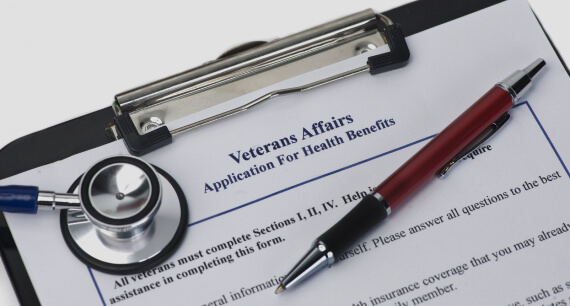

How Do I Appeal a Denied Disability Claim?
You may not know it – but your disability claim can be denied by the U.S. Department of Veterans Affairs. Reasons for a denied claim include lack of medical documentation, incomplete paperwork and more. Veterans with a denied disability claim have three methods of appeal that we can help with at VA Benefits Attorneys. Appeal methods include – a Supplemental Claim, a Higher-Level Review or a Board Appeal.
Contact VA Benefits Attorneys today to get help with a denied disability claim!

Navigating State Veterans Programs in Massachusetts
Looking beyond federal veterans programs, the Massachusetts Executive Office of Veterans Services (EOVS) manages state initiatives that are intended to address the direct personal, financial, and healthcare needs of veterans in Massachusetts. These state-level programs offer supplemental financial aid, educational options, and specialized healthcare options for those living in the Commonwealth.
Key state-run resources include:
The Massachusetts Veterans Annuity
Former service members with a 100% permanent and total service-connected disability rating — as well as eligible surviving spouses — receive a $2,500 tax-free annual distribution.
Chapter 115 Benefits
An income-based program that provides essential economic assistance to low-income veterans and eligible dependents to offset the cost of housing, food, clothing, and medical care.
Property Tax Exemptions
Veteran homeowners with service-connected disabilities qualify for real estate tax reductions based on their disability ratings that scale from standard local relief to total property tax exemptions for blind or paralyzed veterans.
HERO Act Tax Exemptions and Waivers
Veterans with a 100% disability rating or an approved Individual Unemployability (TDIU) status are exempt from paying the motor vehicle excise tax on one personal vehicle and may receive waivers for license renewals and vehicle registration fees.
To learn more or apply for these state-specific benefits, veterans can coordinate directly with the EOVS or reach out to a local veteran benefits representative.
Connect with Local Massachusetts Veterans Service Officers (VSOs)
Navigating veteran disability claims paperwork, state exemption forms, and claims processes is less stressful with an accredited professional in your corner. Trained Veterans Service Officers (VSOs) in Massachusetts are available in almost every community across the state to protect local service members and assist with paperwork.
Your local Massachusetts VSO can assist you with:
Massachusetts veterans can establish contact with their local community advocate by using the local database on the Executive Office of Veterans Services online network.
VA Medical Centers and Clinical Support Networks in Massachusetts
Former service members in Massachusetts have access to major clinical networks powered by the U.S. Department of Veterans Affairs to manage their treatment and preserve critical medical records:
VA Boston Healthcare System
– Brockton, MA
VA Boston Healthcare System
– Jamaica Plain, MA
VA Boston Healthcare System
– West Roxbury, MA
VA Central Western Massachusetts Healthcare System
– Northampton, MA
Edith Nourse Rogers Memorial Veterans Hospital
– Bedford, MA
Veterans that receive clinical treatment at these facilities can ensure that symptoms, injuries, and chronic medical conditions are recorded within the VA’s health network, to provide vital evidence for your claims and any potential appeals.
Common Disability Claims Among Massachusetts Veterans
Returning to civilian life for veterans often means battling with chronic physical disabilities or mental health conditions rooted in your military service. Massachusetts veterans may be eligible for monthly federal disability compensation for recurring service-connected diagnoses that include:
Mental Health Conditions:
Trauma and difficult deployments can cause long-term battles with PTSD, chronic anxiety, or clinical depression.
Hearing Damage:
Continued exposure to heavy weapon fire, tactical vehicles, or aircraft engines can induce permanent hearing damage or constant tinnitus.
Toxic Exposure:
Many veterans disabilities claims involve toxic airborne exposures, chemical compounds, or open burn pits that have led to presumptive conditions.
Muscular Injuries:
The extreme physical demands of active military duty can cause structural damage and long-term pain to the spine, neck, hips, or knees.
Traumatic Brain Injuries (TBI):
Cognitive challenges, memory friction, and neurological deficits can be the result of blast impacts or severe head trauma suffered by service members.
These are just a few of the more common disabilities and service-connected medical conditions claimed by Massachusetts veterans.
Overcoming a Denied Disability Claim in Massachusetts
Having your initial disability claim denied or receiving a low disability rating from the VA can be very frustrating — but it represents a legal challenge rather than the final chapter of your claim. You have the legal right to challenge a denied claim or a low rating using a few legal avenues:

Higher-Level Review
A senior, veteran claims adjudicator examines your current file to find obvious legal or administrative mistakes, without introducing new medical evidence.

Supplemental Claim
You reopen your application by submitting fresh, relevant documentation to address the objections raised in the denied claim.

Board of Veterans’ Appeals
You choose to bypass regional offices and escalate your file straight to a federal veteran law judge.
Massachusetts veterans that are not sure which appeal method is right for their claim can enlist the help of a Massachusetts VA benefits attorney — like VA Benefits Attorneys.
State Financial and Tax Benefits for Massachusetts Veterans
The Commonwealth has implemented targeted tax policies and financial benefits to reduce the daily cost of living for former service members and their families that call Massachusetts home:
Homestead Property Tax Exemptions:
Homeowning veterans who combat service-connected physical or psychological disabilities may qualify for graduated tax reductions on their primary residence.
Exemptions on Income:
All federal VA disability compensation is completely tax-free, and Massachusetts fully excludes military retirement pensions from gross income calculations.
Driver’s License Veteran Designation:
You can have an official “Veteran” identifier printed directly onto your state ID card or driver’s license to simplify access to veteran benefits.
Wartime Deployment Bonuses:
The state provides direct, tax-free cash bonuses to veterans who were living in Massachusetts immediately prior to entering active service during designated conflicts.
The cost of living continues to rise for veterans and their families, and these Massachusetts veteran financial and tax benefits can help reduce the financial pressure that many veterans feel.
Career and Educational Programs for Veterans in Massachusetts
Making the transition back into the civilian workforce or pursuing your dream career via higher education is accelerated by state programs for veterans who call Massachusetts home:
Public Tuition Waivers
Honorably separated veterans may receive a full waiver of tuition costs when enrolling in state-supported public community colleges, state universities, or University of Massachusetts campuses.
Civil Service Hiring Advantages
Disabled veterans receive preference points on competitive state employment exams, placing them in good standing for law enforcement, public safety, and administrative state careers.
State Pension Military Buyback
Public sector employees can buy back up to four years of active-duty military service within a ten-year window to add directly toward their state retirement pensions.
Taking the next step after military service is not always easy — but Massachusetts career and educational programs can help you find your way.
Massachusetts Clinical Care facilities and State Veterans Homes
For veterans requiring advanced physical therapy, specialized long-term nursing care, or cognitive memory support, Massachusetts operates two state-of-the-art clinical care facilities and veterans homes:
– Chelsea, MA
– Holyoke, MA
These state-administered veteran facilities combine around-the-clock medical care and supervision with a community environment built on shared military history, camaraderie, and specialized clinical resources.
Veteran Memorial Tributes and State Cemeteries in Massachusetts
To ensure that every eligible service member is sent to their rest with proper military honors and respect, Massachusetts maintains state cemeteries and burial sites across the state:
Massachusetts National Cemetery
– Bourne, MA
Massachusetts Veterans’ Memorial Cemetery
– Agawam, MA
Massachusetts Veterans’ Memorial Cemetery
– Winchendon, MA
Burial benefits for qualified veterans are provided at zero cost to the family and they cover the burial site, opening and closing services, a provided headstone, and long-term care of the grounds. These memorial privileges are extended to eligible dependents, who can be buried alongside their family.
Local Veteran Advocacy and Peer Support Networks in Massachusetts
In addition to official state offices, veterans will discover an active network of community-driven veteran advocacy groups that operate across Massachusetts and provide direct personal, social, and logistical help:
These grassroots organizations regularly collaborate with regional services to host neighborhood job fairs and job-placement workshops to keep local veterans connected.
Success Story: Overturning an Adverse VA Ruling
Case Study – Boston, MA:
An honorably discharged veteran was initially denied service connection for a debilitating respiratory diagnosis, with the VA asserting the condition lacked clear military documentation. The veteran chose to partner with a specialized disability lawyer to source an independent medical nexus letter and formally request a Higher-Level Review. The senior examiner identified a clear procedural oversight regarding toxic exposure presumptive guidelines under the PACT Act, completely reversing the denial and awarding an approved 60% rating along with substantial retroactive back pay.
Successfully appealing a denied VA claim requires persistence and bulletproof evidence. Regardless of whether you call Boston, Worcester, Springfield, Lowell, Cambridge, or New Bedford your home, local legal advocates are available to step in and secure the long-term financial stability you deserve.
The case study above is a representative example based on typical VA claim outcomes and is provided for illustrative purposes only. Past results do not guarantee future results.
FAQs for Massachusetts Veterans
Your Next Steps
You do not have to combat a denied disability claim or navigate the claims process alone.
Organize and Secure Compile your DD-214, military personnel records, and all relevant private medical charts.
Consult Locally Connect with your local town VSO or the EOVS to verify your eligibility for state tax breaks, tuition waivers, and Chapter 115 assistance.
Align with an Expert Partner with a VA-accredited attorney to correct a disappointing denial or push a low percentage rating to its proper level.
Contact VA Benefits Attorneys today to secure your free, comprehensive legal consultation.