
Fighting for Our Heroes: New Hampshire VA Disability Attorneys
Veterans who struggle with a service-connected injury, illness, or medical condition may be eligible to receive disability benefits via the U.S. Department of Veterans Affairs (VA) – but many do not know where to start or have had their disability claim denied – and they need help. VA Benefits Attorneys is a nationwide resource for veterans who need help getting the disability benefits that they have earned with years of service, blood, sweat, and tears.
Do you need a New Hampshire VA disability attorney? Contact VA Benefits Attorneys today for a FREE case review!
What You Should Know About New Hampshire VA Disability Benefits
Are you a New Hampshire veteran with a service-related disability? What questions do you have about your disability benefits? You may not know if your injury, illness, or medical condition qualifies you for disability benefits. You may not know how to apply for benefits or how to appeal a denied disability claim. VA Benefits Attorneys is here to help answer all of your questions about veterans disability benefits.

Who Is Eligible for VA Disability Benefits in New Hampshire?
The first question that most veterans ask when they contact us at VA Benefits Attorneys is – am I eligible for disability benefits? We may be able to help answer that question with a quick breakdown of the criteria veterans must meet to be eligible for VA disability benefits.
To be eligible for disability compensation, New Hampshire veterans must meet TWO initial criteria. They must have a current injury, illness, or medical condition that affects the mind or body AND they must have served on active duty, active duty for training, or inactive duty for training in the U.S. Military.
In addition to the basic initial criteria, veterans must have a service-connected injury, illness, or medical condition that falls into one of the three categories listed below:
- In-Service Disability Claim – The veteran became sick or injured while in the military and can link their condition to their military service.
- Pre-Service Disability Claim – The veteran had an injury or medical condition prior to military service that was worsened by their time in the military.
- Post-Service Disability Claim – The veteran was diagnosed with an injury, illness, or medical condition after their military service that can be linked to their time in the military.
Are There Additional VA Benefits for Veterans?
Most veterans who have served in the U.S. Military have a basic understanding of VA disability benefits – but not all veterans understand the wealth of benefits available to veterans via the U.S. Department of Veterans Affairs – and fewer take advantage of those benefits. Veterans who want to purchase a home can apply for a VA Home Loan with affordable rates – a benefit used by just 6% of veterans. Veterans who want to continue their education may be eligible for tuition assistance via the G.I. Bill. Veterans in need of healthcare can get the help they need at VA medical facilities and available veteran insurance options will help keep medical costs low.
Contact your local Department of Veterans Affairs office for more information!


What Injuries Qualify for VA Disability Benefits?
The members of the U.S. Military have served in armed conflicts, police actions, and diplomatic missions across the globe – from the recent conflicts in Iraq and Afghanistan to the Korean War and Vietnam War. Veterans who have served in these theaters and countless more may bear injuries, illnesses, and medical conditions that are both seen and unseen – and many veterans want to know if their injuries qualify for disability.
We are here to help answer your questions with this short list of common service-related injuries, illnesses, and medical conditions that may make veterans eligible for disability.
- TBI – Traumatic Brain Injury
- PTSD – Posttraumatic Stress Disorder
- Depression and Anxiety
- Chronic Back, Neck, and Knee Pain
- Tinnitus and Hearing Loss
- Chronic Migraines
- Select Types of Cancer
- Select Types of Lung Disease
- MORE…
How Do You Apply for VA Disability Benefits in New Hampshire?
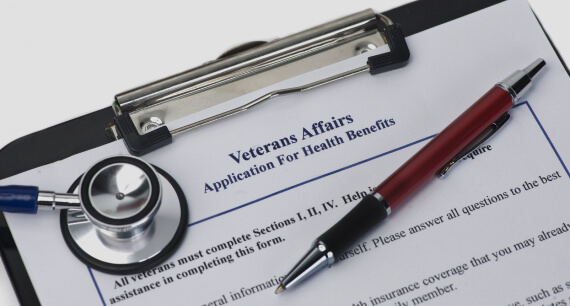
Do you meet the criteria listed above? Do you have a service-connected injury, illness, or medical condition? You may be eligible for disability benefits – but you may not know how to apply. We can help at VA Benefits Attorneys. New Hampshire veterans can apply for disability online at www.va.gov/disability by completing the online application form and submitting the proper medical documents. Veterans who prefer to apply in person can download and print the online form and turn the application in at the VA Regional Office in Manchester with the correct medical documents.

How Do You Appeal a Denied VA Disability Claim?
Have you already applied for disability benefits and been denied? Do not be discouraged. The U.S. Department of Veterans Affairs denies an estimated 30% of disability claims each year for many reasons that include an incomplete application or insufficient medical documents. Veterans who have had their application for VA disability benefits denied can enlist VA Benefits Attorneys to help you appeal the decision. There are three primary methods of appeal – file a Supplemental Claim, submit a Higher-Level Review, or request a Board Appeal.
Contact VA Benefits Attorneys today to learn more about how we can help you appeal your denied disability claim in New Hampshire!

Exploring New Hampshire Support Programs and Benefits for Veterans
Beyond federal veterans benefits, the State of New Hampshire provides dedicated programs administered through the New Hampshire Department of Military Affairs and Veterans Services (DMAVS). These state-supported benefits programs are built to provide tax exemptions, emergency financial relief, and additional benefits for local service members and their families.
Key state-backed benefits include:
Disabled Veteran Tax Credits:
New Hampshire state laws provide a baseline property tax credit of $700 for veterans with a 100% permanent and total (P&T) service-connected disability, with individual cities and towns authorized to provide additional tax credits of up to $4,000 off residential property taxes.
Property Tax Exemptions for VA-Adapted Homes:
Disabled veterans who acquired or modified a primary home with assistance from the VA Specially Adapted Housing program are 100% exempt from municipal property taxes.
Town & City Relief for Indigent Veterans:
According to state law, honorably discharged wartime veterans and their dependents who face severe destitution are entitled to direct emergency financial assistance provided via local municipalities.
Free State Park Passes & Sporting Licenses:
Former service members with a 100% permanent and total disability rating qualify for free lifetime hunting and fishing licenses, as well as day-use admission to all New Hampshire state parks.
These state-sponsored programs demonstrate New Hampshire’s commitment to reducing living expenses and supporting the financial well-being of its veteran community.
Work with Local New Hampshire Veteran Service Officers (VSOs)
Navigating state and federal claims processes and applying for veteran support programs is simplified when working with an accredited veteran advocate. Trained Veteran Service Officers (VSOs) with the State Veterans Council operate across New Hampshire to protect your rights at no cost to you.
Your local VSO can help you:
VA Medical Centers and Healthcare Networks in New Hampshire
Veterans who call New Hampshire home can get medical care at state-run outpatient clinics and regional medical centers within the VA Manchester Healthcare System and neighboring networks to treat service-connected injuries, illnesses, and medical conditions:
Manchester VA Medical Center
– Manchester, NH
Conway VA Clinic
– Conway, NH
Portsmouth VA Clinic
– Portsmouth, NH
Somersworth VA Clinic
– Somersworth, NH
Keene VA Clinic
– Keene, NH
Tilton VA Clinic
– Tilton, NH
White River Junction VA Medical Center System
– Serving Upper Connecticut River Valley and Western New Hampshire
Receiving medical care at these facilities ensures that your service-connected injuries and health conditions are documented within the VA’s medical network, providing you with important documentation for future claims.
Frequently Filed Service-Connected Claims for New Hampshire Veterans
Many veterans in New Hampshire return home with service-connected injuries, illnesses, and medical conditions that impact their day-to-day life and submit VA claims for many of the same medical conditions:
Mental Health Disorders:
High-stress military operations and traumatic combat events contribute to battles with PTSD, generalized anxiety, or severe clinical depression.
Hearing Damage:
Extended exposure to weapons fire, heavy weapons, aircraft, and heavy equipment frequently causes hearing damage and tinnitus.
Toxic Exposure & Burn Pits:
Many post-9/11 veterans have filed claims that stem from toxic waste, burn pits, or chemical exposures during overseas deployments, guarded by PACT Act presumptive conditions.
Musculoskeletal Injuries:
The physical requirements of active duty regularly cause chronic back pain and arthritic joint damage in the knees and hips.
Traumatic Brain Injury (TBI):
Explosive shockwaves, concussions, and head injuries can lead to continued memory loss, executive function deficits, and migraines.
These diagnoses reflect only a portion of the chronic medical conditions disabling local veterans, and an experienced legal advocate can help you assemble the right evidence to prove your claim.
Methods for Appealing a Denied VA Claim in New Hampshire
Having an initial disability claim denied or receiving a low disability rating is frustrating — yet it represents an initial hurdle to overcome rather than a definitive denial. Federal laws and regulations provide veterans with three primary methods to challenge a denied claim:

Higher-Level Review:
A senior VA representative reviews your existing claim to fix any factual or legal mistakes, without reviewing new medical documents or evidence.

Supplemental Claim:
You officially reopen your file by providing new and updated medical evidence and documentation.

Board of Veterans’ Appeals:
You can bypass local administrative processes and present your claim directly to a Veterans Law Judge located in Washington, D.C.
Partnering with a dedicated VA disability attorney, such as VA Benefits Attorneys, ensures you implement the most effective legal strategy for a denied claim.
Financial Relief and Tax Exemptions for New Hampshire Veterans
The State of New Hampshire and its government provide financial policies dedicated to veterans and designed to reduce the cost of living for military veterans and their households:
Municipal Disability Property Tax Credits:
Veterans with a 100% permanent and total service-connected disability rating receive a baseline property tax credit of $700, with many towns expanding this credit up to $4,000.
Zero State Personal Income Tax:
New Hampshire does not impose a state personal income tax on earned wages, military retirement pensions, or federal VA disability compensation.
Free Motor Vehicle Registration for Disabled Veterans:
Honorably discharged veterans with an amputated limb, paralysis, or blindness connected to military service qualify for free state vehicle registration and specialty plates.
Driver’s License Veteran Designation:
Veterans separated under honorable conditions may receive an official “Veteran” marker on their New Hampshire driver’s license or state ID card to make applying for veterans benefits much easier.
Securing these state-sponsored property and income tax exemptions provides limited financial relief for qualifying military families across New Hampshire.
Career Programs and Educational Grants for New Hampshire Veterans
Transitioning from military life to the civilian workforce or pursuing higher education is made simpler by state-backed academic assistance and public hiring programs in New Hampshire:
Tuition Waivers for Children of Disabled Veterans:
Biological, adopted, or stepchildren of veterans with a 100% service-connected disability rating are eligible for 100% free tuition across the University System of New Hampshire — including UNH, Keene State, and Plymouth State.
New Hampshire National Guard Tuition Assistance:
Active members of the New Hampshire National Guard who have exhausted federal assistance can take post-secondary classes free of tuition when space is available at state-run colleges.
Priority of Service in State Workforce Programs:
Honorably discharged veterans and qualifying spouses receive first-priority placement, training enrollment, and career referrals at all New Hampshire Employment Services centers.
These state-sponsored academic exemptions and hiring initiatives provide veterans with an advantage when starting their post-military lives.
Medical Care at New Hampshire State Veterans Homes
When New Hampshire veterans need long-term medical care, physical therapy, or specialized memory support, New Hampshire maintains veteran-focused medical facilities across the state:
– Tilton, NH
Military Honors and State Veterans Cemeteries in New Hampshire
To make sure veterans are buried with the proper military traditions and honors, New Hampshire maintains a dedicated state cemetery alongside local burial grounds:
New Hampshire State Veterans Cemetery
– Boscawen, NH
Burial honors come at no expense to the families of qualified veterans, covering the cemetery plot, professional opening and closing, a government-issued marker, and ongoing care.
Community Veteran Networks and Support Programs in New Hampshire
Outside of state and federal veterans programs, service members in New Hampshire will find an active network of independent non-profit groups and service organizations that provide assistance and support across the state:
Real-Life Milestones: Reversing an Unfavorable VA Evaluation in New Hampshire
Case Study – Manchester, NH
An honorably discharged Army veteran residing in the Manchester area was granted service connection for cervical spine degenerative disc disease and bilateral shoulder impingement, but the VA assigned an initial combined rating of only 20%. The regional adjudicator failed to account for documented functional loss and severe radiculopathy impacting the veteran’s upper extremities. The veteran aligned with an experienced VA disability attorney to review the diagnostic examination reports and requested a Higher-Level Review. During the informal conference, the attorney demonstrated that the existing clinical notes established severe range-of-motion loss and nerve damage during repetitive movement, successfully prompting the senior reviewer to rectify the adjudicative error and increase the combined disability evaluation to 50% alongside significant retroactive back pay.
Demonstrating your claim through sound medical evidence and persistent legal advocacy is critical to winning an appeal. Whether you reside in Manchester, Nashua, Concord, Dover, Derry, or Portsmouth, qualified legal professionals are ready to help you pursue the benefits you are owed.
The case study details presented above serve as a representative example based on typical VA claim outcomes and are provided for illustrative purposes only. Past results do not guarantee future case outcomes.
FAQs for New Hampshire State Veterans
Strategic Next Steps for Your Claim
You do not have to struggle through the administrative processes of the VA disability system alone.
Gather Your Paperwork: Gather your DD-214, active-duty personnel files, and all private clinical treatment records.
Verify Benefits: Contact your local veterans advocate and your regional DMAVS counselor to confirm your eligibility for local tax credits, tuition waivers, and additional benefits.
Contact Dedicated Legal Counsel: Partner with a VA-accredited attorney to dispute a denied claim or pursue a higher disability rating.
Contact VA Benefits Attorneys today to schedule your free, confidential case evaluation!