
Empowering Our State Veterans: Montana VA Disability Attorneys
Veterans of the U.S. Military have served across the globe in a number of roles and many have sustained service-related injuries and illnesses that continue to impact their day-to-day lives and many veterans seek help and financial support from the U.S. Department of Veterans Affairs (VA). An estimated 30% of veterans in Montana struggle with a disability and many are service-connected.
Montana veterans with a service-connected injury, illness, or medical condition may need the help of a Montana VA disability attorney to get the benefits they have earned – and VA Benefits Attorneys is here to help. Veterans in need of a disability attorney can contact VA Benefits Attorneys today for a FREE case review.
Key Details About Montana VA Disability Benefits
Did you know that an estimated 30% of veteran disability claims are denied? Do you have questions about your own VA disability claim? Have you had your disability claim denied? Are you curious if your injury, illness, or medical condition qualifies you for disability? VA Benefits Attorneys has the experience and knowledge you need – and we are here to help.

Am I Eligible for VA Disability Benefits in Montana?
Am I eligible for VA disability benefits – is the first question that we hear from many veterans at VA Benefits Attorneys and we are happy to help answer it for you. Here is a quick breakdown of the basic criteria that Montana veterans must meet to qualify for VA disability compensation.
First – a veteran must have a current injury, illness, or medical condition that affects their mind or body AND they must have served on active duty, active duty for training, or inactive duty for training in the U.S. Armed Forces.
Second – a veteran must have a service-connected injury, illness, or medical condition that will fit into one of the three categories in the list below:
- In-Service Disability Claim – The veteran became sick or injured while serving in the military and can provide a direct link between their medical condition and their military service.
- Pre-Service Disability Claim – The veteran was sick or injured prior to their military service and that medical condition was made worse by their time in the military.
- Post-Service Disability Claim – The veteran discovered an injury, illness, or medical condition after the conclusion of their military service that can be linked to their time spent in the military.
Does the VA Provide Additional Benefits for Veterans?
Veteran disability benefits garner the lion’s share of headlines in the media – but disability benefits are not the only benefits provided by the Department of Veterans Affairs. Montana veterans can apply for a low-interest VA Home Loan and purchase the home of their dreams – a benefit that is utilized by just 6% of veterans. Montana veterans who hope to continue their education may receive tuition assistance with the G.I. Bill. Additional benefits provided by the U.S. Department of Veterans Affairs include medical care at VA medical facilities, low-cost insurance options, and much more.
Contact your local U.S. Department of Veterans Affairs office for additional information and details!

Do My Injuries Make Me Eligible for VA Disability Benefits?
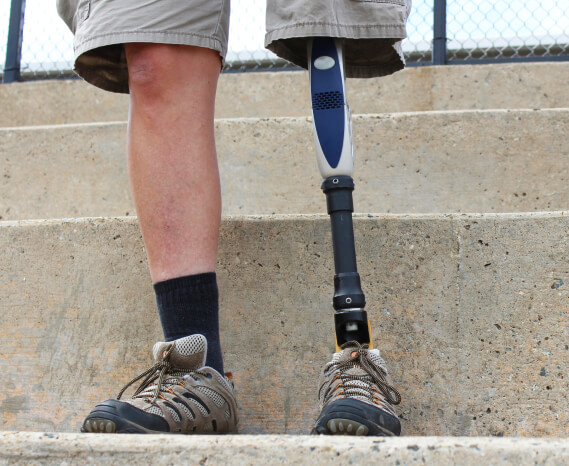
The majority of current Montana veterans have served in Vietnam, the Gulf War, Operation Iraqi Freedom, and Operation Enduring Freedom in Afghanistan – and many have come home with service-connected injuries, illnesses, and medical conditions both seen and unseen. Toxic exposure to Agent Orange or burn pits have had adverse effects on many veterans’ health. Posttraumatic Stress Disorder and Traumatic Brain Injury have become more prevalent in modern veterans and have translated to additional medical conditions that make day-to-day life a struggle.
The list of service-connected injuries, illnesses, and medical conditions that veterans contend with continues to grow and you may have questions. Here is a short list of common injuries, illnesses, and medical conditions that may make Montana veterans eligible for disability benefits.
- TBI – Traumatic Brain Injury
- PTSD – Posttraumatic Stress Disorder
- Depression and Anxiety
- Migraines
- Tinnitus and Hearing Loss
- Back, Neck, and Knee Pain
- Select Types of Cancer
- Select Types of Lung Disease
- MORE…
How Do I Apply for VA Disability Benefits in Montana?
Veterans who fit the criteria listed above and believe they are eligible for VA disability compensation may still have questions about how to apply for benefits – and VA Benefits Attorneys can help. Montana veterans who wish to apply for VA disability can complete the online application at www.va.gov/disability and submit it with the proper medical documentation. Veterans who prefer a more hands-on approach can download, print, complete, and submit the form at the VA Regional Office in Fort Harrison with the pertinent medical documents.
Contact VA Benefits Attorneys with any questions about your veteran disability application!

What Do I Do If My VA Disability Application is Denied?
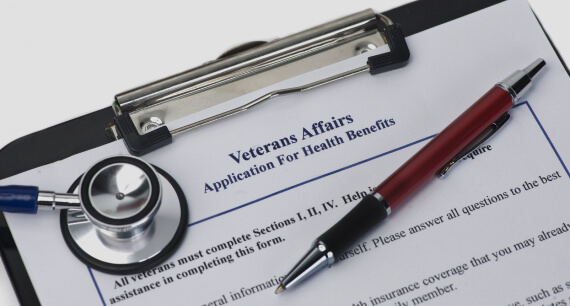
Each year – the U.S. Department of Veterans Affairs denies an estimated 30% of disability claims. Veteran disability claims can be denied for an incomplete application, insufficient medical documentation, and much more. The real question is – what do you do when your disability claim is denied?
VA Benefits Attorneys can help you appeal your denied claim. There are three methods of appeal – filing a Supplemental Claim, submitting a Higher-Level Review, and requesting a Board Appeal – and we have experience with them all.
Contact VA Benefits Attorneys today for help with your denied disability claim!

Explore State Support Programs and Benefits for Montana Veterans
Montana supplements federal benefits provided by the U.S. Department of Veterans Affairs (VA) with state-sponsored veteran support programs and benefits that are managed via the Montana Veterans Affairs Division (MVAD). These targeted initiatives provide property tax exemptions, educational support, financial support, and more for our Montana veterans.
Montana Disabled Veteran (MDV) Assistance Program:
Provides a 50% to 100% sliding-scale property tax reduction on the primary home for 100% disabled veterans and eligible surviving spouses, based on income and marital status.
Veterans Home Loan Program:
The Montana Board of Housing offers low-interest mortgage loans specifically for eligible Montana veterans purchasing their first home.
Disabled Veteran License Plates:
Veterans rated 100% permanently and totally disabled may be eligible to receive a specialized license plate that waives customary registration fees and provides specific parking privileges.
Recreational Licenses and State Parks:
Disabled veterans with a service-connected rating of 50% or higher qualify for discounted conservation licenses and free entry to Montana State Parks.
These specific state-level veteran programs showcase Montana’s commitment to reducing household expenses and supporting the financial health of its military families.
Partnering with Local Montana Veteran Service Officers (VSOs)
Getting your paperwork in order and applying for state-level veterans benefits is substantially easier when you partner with an accredited veteran advocate. MVAD Veteran Service Officers (VSOs) operate across the state of Montana to protect your rights and process your claims without charge.
VA Medical Centers and Healthcare Networks in Montana
Many Montana veterans continue to need care for service-connected injuries, illnesses, and medical conditions have access to the VA Montana Health Care System, which operates major medical centers and outpatient clinics across the state:
Fort Harrison VA Medical Center
– Helena, MT
Benjamin Charles Steele VA Clinic
– Billings, MT
Missoula VA Clinic
– Missoula, MT
Great Falls VA Clinic
– Great Falls, MT
Bozeman VA Clinic
– Bozeman, MT
Kalispell VA Clinic
– Kalispell, MT
Miles City VA Community Living Center / Clinic
– Miles City, MT
Receiving consistent medical treatment at these facilities helps make sure your health symptoms are documented within the VA’s medical database, which helps establish a strong foundation for future claims and rating increases.
Frequent Service-Connected Claims by Montana Veterans
The transition to civilian life will often require veterans to manage long-term service-connected injuries, illnesses, and medical conditions linked to their military duty. Many Treasure State veterans seek disability compensation for a variety of common service-connected medical issues:
Mental Health Conditions:
Intense military deployments and exposure to combat can trigger long-term battles with PTSD, chronic anxiety, and severe depression.
Hearing Damage & Tinnitus:
Continued exposure to weapons fire, heavy machinery, or aircraft flight lines regularly causes permanent hearing damage and constant ringing in the ears.
Toxic Exposures & Burn Pits:
Claims related to airborne hazards, chemical solvents, or open burn pits are prioritized under the PACT Act.
Musculoskeletal Injuries:
The extreme physical toll of military service can cause spinal disc degeneration, chronic back pain, and severe joint damage.
Traumatic Brain Injury (TBI):
Blast concussions and operational head trauma can result in long-term cognitive challenges, memory loss, and neurological deficits.
These common service-connected injuries, illnesses, and medical conditions represent just a cross-section of the ongoing health challenges Montana veterans may face, and a skilled disability attorney can help you build a bulletproof claim.
Legal Methods for Appealing a Denied VA Claim
Veterans who face a denied initial claim or a low disability rating understand the frustration — but it represents a legal hurdle rather than a definitive conclusion. Veterans have the legal right to contest a denied claim or low rating via three legal pathways:

Higher-Level Review:
A senior VA representative re-evaluates the existing claim file to correct clear administrative or legal errors, without any new medical evidence.

Supplemental Claim:
You officially reopen your case by providing fresh and relevant medical evidence and documentation to address deficiencies in your claim.

Board of Veterans’ Appeals:
You may bypass regional claim processing and present your file directly to a Veterans Law Judge in Washington, D.C.
Not sure which method is right for your claim? Aligning with an experienced VA disability attorney in Montana ensures you use the most effective legal strategy for your administrative appeal.
Tax Exemptions and State Financial Relief for Montana Veterans
Montana has implemented targeted financial policies and tax relief incentives designed to lower the cost of living for military veterans and their families:
MDV Property Tax Assistance:
A sliding-scale property tax reduction program that eliminates up to 100% of the property tax liability on a primary home for 100% disabled veterans and their unmarried and surviving spouses.
Tax-Free VA Disability Pay:
Federal VA disability compensation is entirely exempt from state and federal income taxes.
Military Retirement Income Relief:
Montana offers partial state income tax exemptions for working military retirees, allowing select veterans to save a portion of their pension from state taxes.
Veteran Driver’s License Designation:
Honorably discharged veterans can opt to have an official “Veteran” designation printed directly on their Montana driver’s license for easy verification of benefits.
Capitalizing on these state-level tax incentives and financial exemptions provides substantial relief for eligible military households across the State of Montana.
Academic and Employment Preference Programs for Montana Veterans
Re-entering the civilian labor force or building new skills via higher education can be a challenge as a veteran, and is encouraged by state-sponsored veteran academic and employment initiatives:
Montana University System Tuition Waivers:
The state provides full tuition waivers for eligible honorably discharged veterans, Purple Heart recipients, and the dependents of veterans who were killed in action or died as a result of a service-connected medical condition.
State Employment Preferences:
Honorably discharged veterans, disabled veterans, and eligible spouses receive preference in public employment hiring, improving their competitive chances for state and municipal jobs.
State-provided academic waivers and employment preferences provide military veterans with a distinct advantage as they start the next professional chapter of their lives.
Nursing and Long-Term Medical Care at State Veterans Homes
When aging and disabled veterans require 24/7 nursing care, physical rehabilitation, or specialized memory care, Montana provides premier residential care options across the state:
– Columbia Falls, MT
– Glendive, MT
– Butte, MT
Military Burial Honors at Montana Veterans Cemeteries
To guarantee that every eligible service member is laid to rest with proper military honor, respect, and dignity, Montana maintains dedicated state and national veterans cemeteries:
Montana State Veterans Cemetery
– Fort Harrison, MT
Western Montana State Veterans Cemetery
– Missoula, MT
Eastern Montana State Veterans Cemetery
– Miles City, MT
Northern Montana State Veterans Cemetery
– Columbia Falls, MT
Yellowstone National Cemetery
– Laurel, MT
Burial privileges at state cemeteries carry no financial burden for qualifying veterans’ cremated remains or traditional burial services, including the grave plot, opening and closing services, and an official headstone.
Community Veteran Networks and Support Programs in Montana
Beyond official state and federal agencies, Montana possesses a diverse network of independent non-profit groups and veteran organizations operating statewide:
Real-Life Milestones: Reversing an Unfavorable VA Evaluation in Montana
Case Study – Billings, MT
An honorably discharged Marine Corps veteran residing in the Billings area was initially denied service connection for severe sleep apnea secondary to service-connected allergic rhinitis, with the VA asserting the respiratory disorder lacked a direct clinical link to his nasal condition. The veteran retained a specialized VA disability attorney to secure an independent medical nexus report from a board-certified sleep specialist and filed a Supplemental Claim. The comprehensive new medical documentation clearly established that the veteran’s service-connected airway obstruction directly aggravated his sleep apnea, successfully overturning the initial rejection and securing an approved 50% disability rating along with substantial retroactive back pay.
Persistence and concrete medical evidence are essential to winning a VA appeal. Whether you call Billings, Missoula, Great Falls, Bozeman, or Helena your home, dedicated legal advocates are available to stand by your side and pursue the compensation you rightfully deserve.
The case study details presented above serve as a representative example based on typical VA claim outcomes and are provided for illustrative purposes only. Past results do not guarantee future case outcomes.
FAQs for Montana Veterans
Next Steps for Navigating Your VA Claim
You do not have to struggle with the complex administrative layers of the VA disability process by yourself.
Organize and Secure: Gather your DD-214, active-duty service records, and all private medical treatment files.
Consult Local Resources: Connect with your local MVAD VSO to verify your eligibility for the MDV property tax program, state park passes, and other local benefits.
Partner with a Legal Advocate: Work with a VA-accredited attorney — like VA Benefits Attorneys — to challenge a denied disability claim or seek an increased disability percentage rating.
Contact VA Benefits Attorneys today to schedule your free, confidential case evaluation!