What Are the Secondary Service Connections for Veteran PTSD Disability Claims?

Posttraumatic Stress Disorder (PTSD) is a common disability for veterans who have been overseas and experienced traumatic events — and an estimated 1.1 million veterans receive disability compensation from the U.S. Department of Veterans Affairs (VA) for PTSD. The symptoms of PTSD — and many medications used to treat PTSD — can lead to many secondary service connections that are manifested with additional mental and physical health conditions. Many veterans who are battling PTSD want to know what these secondary service connections for veteran PTSD disability claims are, and we are here to help answer your questions at VA Benefits Attorneys.
5 Common Secondary Service Connections Related to PTSD
PTSD can manifest itself in many different ways with a wide range of symptoms. The primary symptoms tied to PTSD include — flashbacks of the traumatic event, night terrors that lead to lack of sleep, memory loss, negative thoughts of fear, guilt, or shame, a loss of interest in fun activities, continuously feeling tense, hypervigilance, difficulty concentrating, angry outbursts, and more. These symptoms and select treatments for PTSD can cause additional service-connected disabilities that are deemed secondary service connections. PTSD symptoms and treatments also have the potential to make already present medical conditions worse.
Here is a better look at a few common secondary service connections related to PTSD:
1. Sleep Apnea
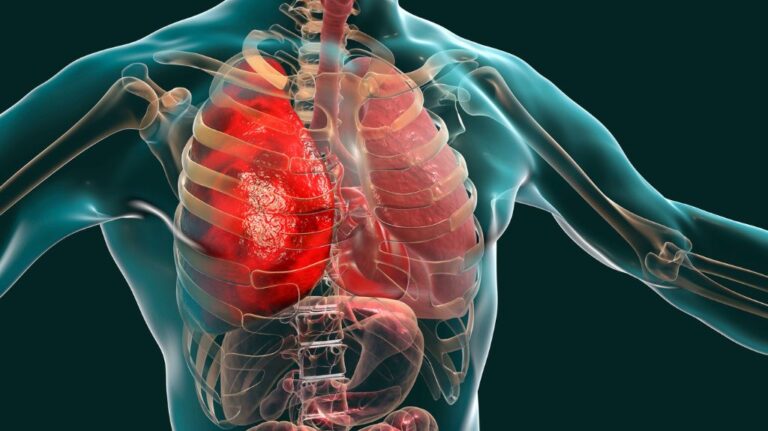
A primary symptom of PTSD is night terrors, an inability to sleep or concentrate, and hyperarousal. These symptoms and weight gain tied to many prescribed PTSD medications can make sleep apnea worse for many veterans. Sleep apnea disability ratings and symptoms are listed under Diagnostic Code 6847 with potential disability ratings of 0%, 30%, 50%, or 100%.
2. High Blood Pressure – Hypertension
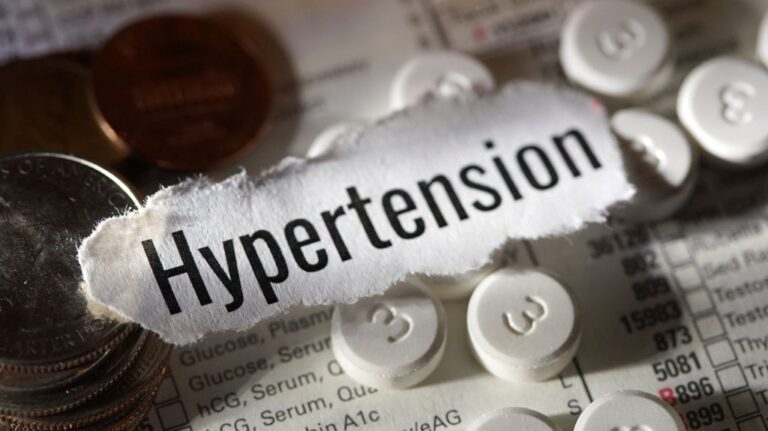
PTSD is tied to hypervigilance, uncharacteristic fear, flashbacks, trouble sleeping, and more that all contribute to higher stress levels in veterans. This added stress can often be a catalyst for high blood pressure or hypertension, either causing a dangerous medical condition or making it worse. Hypertension is listed under Diagnostic Code 7101 with potential disability ratings of 10%, 20%, 40%, or 60%.
3. Gastrointestinal Issues

You may not know it — but your brain and digestive system are closely linked, and stress on one can lead to stress on the other. Veterans who battle PTSD in their day-to-day lives and are constantly dealing with high stress or anxiety may see side effects in their digestive system, like Gastrointestinal Reflux Disease (GERD) or Irritable Bowel Syndrome (IBS). Medications like Selective Serotonin Reuptake Inhibitors (SSRIs) can also have a negative impact on the digestive system. Secondary service connections like GERD, IBS, Hiatal Hernias, Crohn’s Disease, or stomach ulcers each have their own diagnostic code under 38 CFR § 4.114.
4. Migraines and Headaches
There are many conditions and symptoms related to PTSD. The chronic muscle tension, psychological stress, and neurological strain linked to PTSD can all contribute to debilitating migraines and headaches. These migraines and headaches can have a severe impact on the day-to-day lives of veterans, and are a common secondary service connection for PTSD. Migraines are listed under Diagnostic Code 8100 and can carry a disability rating of 0%, 10%, 30%, or 50%.
5. Depression and Anxiety
It is not uncommon for an individual who has experienced real trauma to battle co-occurring mental health conditions if dealing with unchecked PTSD. Depression and anxiety are common secondary service connections related to PTSD — but they are rated based on the same mental health criteria to avoid stacking disability ratings to receive additional compensation. These mental health conditions can hold a rating of 0%, 10%, 30%, 50%, 70%, or 100%. The diagnostic codes for depression and anxiety can be found at 38 CFR § 4.130.
READ MORE: The Connection Between PTSD and Substance Abuse in VA Disability Claims
What are the secondary service connections for veteran PTSD disability claims? Find out with this overview created by VA Benefits Attorneys that highlights the most common secondary service connections tied to PTSD. Contact VA Benefits Attorneys today for a FREE case review!