
Need Help with Your VA Claim: Talk to a Kansas VA Disability Attorney
The process to apply for and receive the disability benefits you have earned can be complicated and blocked by red tape. You may not feel like you have any allies in this fight — but you do. VA Benefits Attorneys is a nationwide resource for disabled veterans and we are here to help. Veterans in need of a Kansas VA disability attorney can get the help they need right here at VA Benefits Attorneys. We can help you apply for benefits, appeal denied benefits, and much more.
Contact VA Benefits Attorneys today for a FREE case review of your VA disability benefits!
Things to Know About Kansas VA Disability Benefits
Do you have questions about your VA disability benefits? Kansas is home to more than 190,000 military veterans and an estimated 20% receive service-connected disability benefits and compensation. Veterans who are just now applying for disability benefits or who have seen a change to their benefits may have questions.
Questions like — how can I change my VA disability rating? Am I eligible for VA disability benefits? Does my cancer make me eligible for disability? We can help answer these questions and many more at VA Benefits Attorneys.
Who Is Eligible for VA Disability Benefits in Kansas?
The first question that most veterans ask when they contact us at VA Benefits Attorneys is — am I eligible for VA disability benefits? We may be able to help answer that question with a quick breakdown of the basic criteria a veteran must meet to receive disability compensation.
To be eligible for VA disability benefits, Kansas veterans must meet TWO standard criteria. The veteran must have a service-connected injury, illness, or medical condition that affects the mind or body AND the veteran must have served on active duty, active duty for training, or inactive duty for training.
In addition to the primary criteria, a disabled veteran must meet ONE of the additional requirements listed below.
- The eligible veteran has a service-connected injury, illness, or medical condition that was suffered and diagnosed while serving — known as an In-Service Disability Claim.
- The eligible veteran must have had an injury, illness, or medical condition prior to their service that was made worse while serving — known as a Pre-Service Disability Claim.
- The eligible veteran has a service-connected injury, illness, or medical condition that was diagnosed after the conclusion of their military service — known as a Post-Service Disability Claim.
What Are the Additional VA Benefits for Kansas Veterans?
Disability benefits and compensation are a key element of veteran support provided by the Department of Veterans Affairs — but they are not the only benefits you need to be aware of as a veteran. VA Home Loans provide qualified veterans with an affordable avenue to purchase their dream home. The G.I. Bill provides veterans with access to continued education with tuition assistance. Additional benefits include medical care at Kansas VA facilities, affordable insurance, vocational rehabilitation, and much more.
Contact the U.S. Department of Veterans Affairs for more information on veterans benefits!

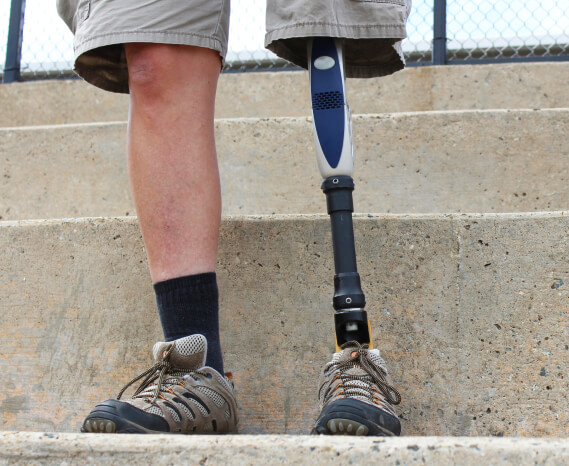
Which Injuries, Illnesses, and Medical Conditions Qualify for Disability?
Veterans of the Global War on Terror, Vietnam, Korea, World War II, and countless smaller conflicts and police actions across the globe have seen and felt the horrors of war. The scars that remain for veterans are both seen and unseen. Kansas veterans applying for disability benefits want to know which injuries, illnesses, and medical conditions are eligible for compensation.
Here is a short list of service-connected injuries, illnesses, and medical conditions that may make veterans eligible for VA disability benefits.
- Chronic Back, Neck, and Knee Pain
- Various Types of Cancer
- Various Types of Lung Disease
- Migraines, Tinnitus, and Hearing Loss
- Depression and Anxiety
- PTSD — Posttraumatic Stress Disorder
- TBI — Traumatic Brain Injury
- MORE…
How Do I Apply for VA Disability in Kansas?
We understand that the application process for disability benefits can be daunting to many Kansas veterans — but it does not need to be. Veterans can apply for disability online at www.va.gov/disability and submit the online application with their medical documents. Do you prefer a more in-person interaction? You can download, print, and submit the online application form with your medical documents at the VA Regional Office in Kansas City, KS.

What Do I Do If My VA Disability Claim is Denied?
Did you know that an estimated 30% of veteran disability claims are denied by the U.S. Department of Veterans Affairs? Veteran disability claims can be denied for a variety of reasons — improper medical documents, incomplete forms, and more — but you can appeal the decision with the help of VA Benefits Attorneys.
Kansas veterans have three methods of appeal for a denied disability claim. They can file a Supplemental Claim, request a Higher-Level Review, or apply for a Board Appeal and we can help you every step of the way at VA Benefits Attorneys.

Navigating State Veterans Programs in Kansas
When you look beyond the network of federal benefits, you will find that the State of Kansas provides targeted state-level programs managed by the Kansas Office of Veterans Services (KOVS). These state-backed veterans initiatives are put in place to provide financial assistance, tax relief, and quality-of-life benefits for service members and their families who call the Sunflower State home.
Key state-backed veterans initiatives include:
Property Tax Relief Refunds:
Kansas homeowners with a service-connected disability rating of 50% or higher can claim state tax refunds that will offset property tax increases above a base year threshold.
Homestead Tax Refunds:
Eligible low-income disabled veterans can receive direct state property tax refunds up to $700 on their primary homes.
Vehicle Tax Exemptions and Specialty Plates:
Disabled veterans may qualify for distinct military license plates that provide financial relief from specific state registration fees and personal property taxes.
Recreational Fee Discounts:
Disabled veterans with a service-connected disability receive free or discounted hunting and fishing permits with free state park admission.
Veterans who call Kansas home can learn more about state-run veterans benefits programs by contacting the Kansas Office of Veterans Services or a certified benefits advisor.
Partnering with Regional Kansas Veteran Service Officers (VSOs)
It is not always easy to submit VA paperwork and secure local tax exemptions, and it is far smoother when guided by an experienced professional. Certified Veteran Service Officers (VSOs) operate across Kansas field offices to protect your rights and handle your claims at no charge to you.
Your local VSO can help you:
VA Healthcare and Medical Facilities in Kansas
Kansas veterans have access to major regional medical centers and outpatient clinics run by the U.S. Department of Veterans Affairs to help treat and document service-connected conditions:
Robert J. Dole VA Medical Center
– Wichita, KS
Colmery-O’Neil VA Medical Center
– Topeka, KS
Dwight D. Eisenhower VA Medical Center
– Leavenworth, KS
Kansas City VA Medical Center
– serving Eastern Kansas & the KC Metro
In addition to providing the medical treatment you need, these facilities ensure that your injuries and medical conditions are officially recorded within the VA health network, making it easier to file supplemental claims or apply for ratings increases in the future.
Frequently Filed Disability Claims for Kansas Veterans
When returning to civilian life, many former service members are forced to manage physical or psychological conditions connected to their military service. Kansas veterans frequently seek disability compensation for several common service-connected conditions:
Mental Health Conditions:
High-stress operational environments and combat deployments can regularly lead to long-term battles with PTSD, chronic anxiety, or clinical depression.
Hearing Damage & Tinnitus:
Exposure to firearms, flight lines, or heavy machinery frequently causes permanent hearing loss or persistent ringing in the ears.
Toxic Exposures & Burn Pits:
Many veteran disability claims are tied to airborne hazards, chemical compounds, or open burn pits and are prioritized under PACT Act presumptive condition guidelines.
Musculoskeletal Injuries:
The physical wear and tear of active military service often leads to structural spinal wear, herniated discs, and severe joint pain across the knees, hips, or shoulders.
Traumatic Brain Injury (TBI):
Blast trauma and operational concussions can result in long-term cognitive challenges, memory loss, and neurological issues related to TBI.
These are just a few of the service-connected disabilities that veterans face when they return home after years of service to our country.
Challenging a Denied VA Claim and Your Appeal Options in Kansas
Having an initial disability claim rejected or receiving a lower disability rating than expected can be frustrating — but it is simply a legal challenge to overcome rather than a final judgment. Veterans have the legal right to contest a denied claim via three primary paths of appeal:

Higher-Level Review
A senior VA adjudicator re-examines your existing claim file to spot administrative or legal errors, without taking new medical records into account.

Supplemental Claim
You officially reopen your claim by submitting fresh, relevant documentation — such as an independent physician’s medical nexus letter — to provide additional support for your claim.

Board of Veterans’ Appeals
You can bypass local veteran claims processing and escalate your case directly to a Veterans Law Judge at the Board of Veterans’ Appeals in Washington, D.C.
When you are faced with a denied disability claim, a VA benefits attorney — like VA Benefits Attorneys powered by Tabak Law — can help you determine the best legal course of action.
Financial Relief and Tax Incentives for Kansas Veterans
Kansas provides targeted financial policies and tax exemptions designed to help lower the day-to-day cost of living for former service members and their families:
Property Tax Relief:
Homeowners with a 50% or higher service-connected disability rating and qualifying household income receive annual state tax refunds that help offset property tax increases.
Tax-Free Disability Pay:
All federal VA disability compensation is exempt from state income tax, with additional exemptions available for qualifying 100% disabled veterans.
Veteran Driver’s License Identifier:
An official “Veteran” designation can be printed directly on state driver’s licenses or ID cards for easy verification and access to veteran benefits.
Sales Tax Relief:
Honorably discharged veterans with a 100% permanent and total (P&T) service-connected rating qualify for state sales tax exemptions on personal property purchases.
When the cost of living increases, veterans can find some element of relief provided by Kansas financial and tax incentives.
Veteran Educational Grants and Career Programs in Kansas
What comes next after military service is not always easy for veterans — but veteran educational grants and career programs can help. Re-entering the civilian labor market or building new skills through higher education is supported by Kansas academic and employment programs:
In-State Tuition Qualifications
All honorably discharged military veterans residing in Kansas will qualify for in-state tuition rates at public universities and colleges.
Civil Service Hiring Preference
Veterans receive extra preference points added to competitive civil service exam scores when applying for state government jobs.
Dependent Educational Assistance
State-sponsored tuition waivers are available for surviving spouses and dependent children of veterans killed in action or rated 100% permanently and totally disabled.
These state-run veteran benefits programs play an important role in helping Kansas veterans determine what their next steps might be after years of military service.
Long-Term Medical Care at Kansas State Veterans Homes and Facilities
When aging or disabled service members in Kansas require 24/7 medical supervision, physical rehabilitation, or memory care, Kansas provides two state-operated skilled nursing centers:
– Winfield, KS
– Fort Dodge, KS
Tributes and Burial Honors at Kansas Veterans Cemeteries
To ensure every eligible service member is buried with appropriate military honors, protocol, respect, and dignity, Kansas maintains pristine state and national cemeteries:
Kansas Veterans’ Cemetery at Fort Dodge
– Fort Dodge, KS
Kansas Veterans’ Cemetery at WaKeeney
– WaKeeney, KS
Kansas Veterans’ Cemetery at Fort Riley / Manhattan
– Manhattan, KS
Kansas Veterans’ Cemetery at Winfield
– Winfield, KS
Leavenworth National Cemetery
– Leavenworth, KS
Fort Leavenworth National Cemetery
– Leavenworth, KS
Fort Scott National Cemetery
– Fort Scott, KS
Burial rights for qualified veterans carry no cost to the family, including the burial plot, opening and closing services, a government-provided headstone, and permanent site care. Burial honors are also extended to select family members of qualified veterans.
Community Veteran Networks and Programs in Kansas
Beyond official state and federal veterans programs, Kansas possesses a broad network of independent non-profit coalitions and veteran organizations that operate across the state:
Real-Life Case Study: Reversing an Unfavorable VA Evaluation in Kansas
Case Study – Wichita, KS:
An honorably discharged veteran from the Wichita area was initially denied service connection for a debilitating spinal condition, with the VA claiming the joint degradation was an age-related issue rather than service-connected. The veteran partnered with a specialized disability lawyer to source an independent orthopedic medical nexus report and file a Supplemental Claim. This fresh medical documentation clearly demonstrated the structural damage was rooted in repetitive physical strain during active duty, completely overturning the initial denial and securing an approved 40% rating along with substantial retroactive back pay.
Persistence and concrete medical evidence are essential to winning an appeal. Whether you call Wichita, Overland Park, Topeka, Olathe, Lawrence, or Salina your home, local legal advocates are available to step in and secure the long-term compensation you deserve.
The case study above is a representative example based on typical VA claim outcomes and is provided for illustrative purposes only. Past results do not guarantee future results.
FAQs for Kansas State Veterans
Your Next Tactical Steps
You do not have to cut through the administrative red tape of the VA claims process alone.
Gather Your Records — compile your DD-214, active-duty service records, and all relevant private medical treatment files.
Consult Local Resources — connect with your local Kansas VSO or the KOVS to verify your eligibility for state property tax relief, recreational permits, and educational benefits.
Partner with a Legal Advocate — align with a VA-accredited attorney to challenge an adverse claim denial or push a low disability rating to a higher rating.
Contact VA Benefits Attorneys today to schedule your FREE case evaluation!