
Georgia VA Disability Attorneys: Getting You the Benefits You’ve Earned
Things You Need to Know About Georgia VA Disability Benefits
The U.S. Department of Veterans Affairs and the process to apply for disability can be complicated – and it gets even more complicated if you have to appeal a denied disability claim. We know that you may have questions and that is what we are here for at VABenefits Attorneys.
Here is a list of just a few questions we can help answer at VABenefits Attorneys.

Am I Eligible for VA Disability Benefits in Georgia?
The first question that most veterans ask when they are interested in disability benefits is – am I eligible for VA disability benefits? There is a wide range of injuries, illnesses and medical conditions that make veterans eligible for disability benefits and veterans must first meet a series of basic criteria.
Veterans who are eligible for a disability rating must meet two primary requirements. Veterans must have an injury, illness or medical condition that impacts the mind or body AND must have served on active duty, active duty for training or inactive duty for training. To be eligible for disability benefits, veterans must also meet ONE of the additional criteria in the list below.
- You were injured or became ill while on active duty and can link your condition to your service – which is known as an in-service disability claim.
- You had an injury or illness before you entered the military that was made worse by your time in the military – which is known as a pre-service disability claim.
- You have a current injury or illness that did not appear until you were discharged from the military and the condition can be connected to your time in the military – which is known as a post-service disability claim.
Are There Additional Benefits Available to Georgia Veterans?
Did you know that the U.S. Department of Veterans Affairs provides more than just medical and disability benefits to veterans? There are a wide range of benefits available to veterans who call Georgia home that include educational benefits like the Montgomery G.I. Bill and everyday medical services at VA facilities. VA home loans, preferred employment, vocational rehabilitation and burial services are a short list of additional benefits that are available to veterans.


Which Injuries, Illnesses and Medical Conditions Make You Eligible for VA Disability?
No matter when or where you served in the military, you have faced your fair share of hardships – in both training and combat. We know that not all injuries, illnesses or medical conditions are visible and many veterans want to know – what medical conditions make you eligible for VA disability benefits? We can help answer your questions VABenefits Attorneys.
Here is a list of some of the injuries, illnesses and medical conditions that may qualify you for disability benefits and monthly compensation from the U.S. Department of Veterans Affairs.
- Lung Disease Due to Toxic Exposure
- Cancer(s) Due to Toxic Exposure
- Traumatic Brain Injury – TBI
- Posttraumatic Stress Disorder – PTSD
- Depression
- Anxiety
- Chronic Back, Neck and Knee Pain
- Severe Scar Tissue and Loss of Motion
- Severe Hearing Loss
- Ulcers
How Do I Apply for VA Disability?
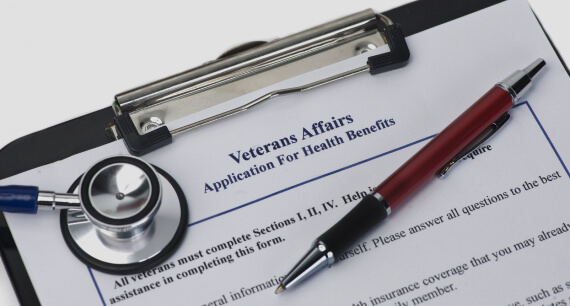
Do you meet the criteria listed above? Do you qualify for VA disability benefits and assistance? The application process can be complicated if you are unfamiliar and that is where we can help here at VABenefits Attorneys. You can file for disability online at www.va.gov/disability OR you can print the online application, fill it out and return it to the Atlanta Regional VA Office or any additional facilities.

How To Appeal a Denied VA Disability Claim
In some cases – your disability claim may be denied by the U.S. Department of Veterans Affairs – and that is where we step in. We can help you determine the best way to appeal your application denial and help you prepare for the appeal process. There are four appeal options for denied disability claims – file a Notice of Disagreement, file a Supplemental Claim, present your appeal to a Veterans Law Judge or request a Higher Level Review.
Contact VABenefits Attorneys for a FREE legal consultation!

Guide to Georgia’s State Veteran Programs and Benefits
Veterans who call Georgia home live in a state that deeply honors military service and provides benefits beyond federal VA disability compensation. Georgia provides veterans with a comprehensive selection of state-level veteran programs and benefits designed to offer financial relief, academic advancement, and healthcare support that are monitored by the Georgia Department of Veterans Service (GDVS).
Key Georgia veteran benefit programs and incentives include:
Property Tax Exemptions
Georgia offers a homestead tax exemption for veterans who are 100% disabled, have lost limbs or vision, or are the unremarried surviving spouses of such veterans.
Income Tax Exemptions
Military retirement pay is eligible for generous tax exemptions. Retired veterans may be eligible for a full tax exemption up to $65,000 from the state of Georgia.
Driver’s License Benefits
Honorably discharged Georgia veterans are eligible for a free veteran’s driver’s license and this benefit extends to National Guard members with 20 years of service and the spouses of disabled veterans.
Professional and Occupational Licensing
The state provides veterans with a process for military training to satisfy requirements for certain professional licenses, such as firefighting and commercial driving.
Georgia’s state veteran initiatives can involve unique eligibility criteria that require specific documents. Veterans can reach out to the Georgia Department of Veterans Service (GDVS) or visit a local Veterans Field Service Office to work with an accredited professional for assistance.
Georgia VA Regional Offices and Medical Centers
Georgia has a strong VA infrastructure designed to provide world-class healthcare and administrative support to veterans in the Peach State. These locations are the primary hubs for medical evaluations and the processing of federal disability claims.
Key Georgia veteran benefit programs and incentives include:
Senator Johnny Isakson VA Atlanta Regional Office — Decatur, GA
Joseph Maxwell Cleland Atlanta VA Medical Center — Decatur, GA
Charlie Norwood VA Medical Center — Augusta, GA
Carl Vinson VA Medical Center — Dublin, GA
These various clinics and hospitals managed by the U.S. Department of Veterans Affairs provide Georgia veterans with access to primary medical care, specialized mental health support, and rehabilitation. The medical documentation generated at these facilities also provides critical evidence for future disability claims or appeals.
Common VA Disability Claims for Georgia Veterans
Military veterans are faced with a broad range of service-connected injuries, illnesses, and medical conditions that qualify them for disability compensation. Here is a better look at the most common disability claims filed by veterans:
Toxic Exposures: The recent expansion of benefits by the PACT Act allows veterans to file for respiratory illnesses, cancers, and other conditions linked to burn pits, Agent Orange, and contaminated water at Camp Lejeune.
Mental Health Conditions: Posttraumatic Stress Disorder (PTSD), depression, or anxiety, whether resulting from combat or non-combat traumatic service events are common among veterans.
Traumatic Brain Injury (TBI): Many veterans suffer from cognitive impairments, chronic headaches, and other challenging symptoms following blast exposures.
Musculoskeletal Injuries: The physical strain from service often leads to chronic back, knee, and hip conditions that continue to get worse over time.
Hearing and Tinnitus: Exposure to high-intensity noise in the motor pool, on the flight line, or at the firing range frequently results in lifelong auditory damage.
To file a service-connected disability claim, veterans need to ensure they have the right medical documents and evidence to support their claim, and a Georgia VA disability attorney can help.
Strategic Options Following a Denied VA Claim in Georgia
If your disability claim is denied by the Department of Veterans Affairs, you have several legal avenues to pursue a more favorable outcome. A Georgia VA disability attorney can help you determine which of the three appeal lanes is right for your case:

Higher-Level Review
A senior reviewer evaluates your existing file for errors without allowing new evidence.

Supplemental Claim
This lane allows you to submit “new and relevant” evidence that was not considered in the previous decision.

Board Appeal
You may take your case directly to a Veterans Law Judge at the Board of Veterans’ Appeals (BVA).
Not sure which option is right for your case? Contact VA Benefits Attorneys for a FREE case review and we can help you get started with your appeal.
Financial and Tax Incentives for Georgia Veterans
Georgia offers several financial programs to recognize and reward military service while lowering the cost of living for veterans who call the Peach State home.
Homestead Tax Relief
Permanently and totally disabled veterans can receive a significant reduction in their property taxes, protecting their homes from rising costs.
Georgia Dream Homeownership
The Georgia Dream Program offers up to $12,500 in down payment assistance for military members and veterans purchasing their first home.
Recreational Discounts
Disabled veterans can receive a 25% discount on entrance fees to Georgia state parks and historical sites, along with discounted hunting and fishing licenses.
Business Tax Exemptions
Veterans with a service-connected disability can apply for a Business Certificate of Exemption, which waives certain occupational taxes and regulatory fees for veterans starting their own businesses.
Not only do these state financial and tax incentives help reduce the cost of living for veterans, they provide additional access to homeownership, recreation, and new career opportunities.
Georgia Academic and Career Training Resources
Many veterans may struggle to find their path after their military service. For those looking to advance their education or transition into a new career, Georgia provides several competitive advantages.
State Employment Preference
Georgia grants five preference points to war veterans and 10 points to disabled veterans on state employment examinations.
The Georgia VECTR Center
Located in Warner Robins, this center provides a “one-stop shop” for veterans seeking hands-on training in high-demand fields like welding, HVAC, and commercial truck driving.
Tuition Assistance
Various scholarships, such as the Georgia Military College State Service Scholarship, are available to help service members and their families cover the costs of higher education.
Georgia is dedicated to helping veterans make a smooth transition from military to civilian life and achieve their educational and career-focused goals.
Veteran Nursing and Long-Term Care Facilities in Georgia
The Georgia Department of Veterans Service operates two premier nursing facilities dedicated to the care of military veterans and dependents:
These Georgia support facilities provide professional skilled nursing, short-term rehabilitation, and specialized memory care for those navigating Alzheimer’s or dementia. Each facility creates a community of peers that ensure Georgia veterans receive compassionate care in a supportive environment surrounded by fellow service members.
Georgia State and National Veterans Cemeteries and Burial Benefits
The Georgia Department of Veterans Service operates state memorial cemeteries in Milledgeville and Glennville to ensure every veteran receives a dignified final resting place. These locations offer committal chapels and beautifully maintained grounds, providing a peaceful atmosphere for family visitation and reflection.
In addition to state veterans cemeteries, Georgia is home to the Georgia National Cemetery in Canton and Marietta National Cemetery, providing another option for those seeking interment with full military honors within the Atlanta area.
Qualified veterans are eligible for burial at no cost in both state and national cemeteries, including the gravesite, vault, headstone, and long-term care of the site. The spouses and eligible dependents of state veterans may also be buried for a reduced fee at state locations — or at no cost at federal national cemeteries — ensuring families can remain together in honor.
Veteran Advocacy and Support Networks in Georgia
Beyond state-run veterans agencies, Georgia is home to many non-profit organizations that provide localized support and social connection for veterans and their families.
Real-Life Example: A Successful Georgia Appeal
Case Study — Savannah, GA
A veteran living in Savannah was originally denied service-connection for a back injury, with the VA claiming the condition was age-related rather than service-connected. By partnering with a veteran disability attorney, he filed a Supplemental Claim that included a Nexus Letter from an independent specialist linking his current diagnosis to a specific injury documented in his service records at Fort Stewart. This new evidence resulted in a 60% disability rating and several years of retroactive pay, providing the veteran with long-overdue financial security.
Success stories like this demonstrate why persistent advocacy and professional legal guidance are so essential. Whether you are in Atlanta, Savannah, Columbus, or Augusta, specialized support is available to ensure you obtain the full benefits you have earned through your service.
The case study above is a representative example for illustrative purposes. Past results do not guarantee future outcomes.
FAQs for Georgia Veterans
Next Steps for Georgia Veterans
Secure Your Records: Gather your DD-214 and all recent medical records from both the VA and private healthcare providers.
Verify Your Rating: If your conditions have changed or worsened, you may be eligible for a rating increase.
Consult with a Professional: Whether you are filing for the first time or appealing a denied claim, expert guidance can ensure your claim is handled with the care and support it deserves.
Contact VA Benefits Attorneys today for your FREE Georgia case evaluation.