

Championing the Rights of Connecticut Heroes: Connecticut VA Disability Attorneys
The U.S. Department of Veterans Affairs (VA) provides veterans with service-connected disabilities with monthly compensation and medical support for their injuries, illnesses, and medical conditions — but it is not always simple for veterans to get the benefits that they deserve. VA Benefits Attorneys is a nationwide resource for disabled veterans in need and we are proud to serve as your Connecticut VA disability attorneys.
Contact VA Benefits Attorneys today for a FREE case review!
Things to Know About Connecticut VA Disability Benefits
Do you have questions about how VA disability benefits work? Do you have questions about the veterans benefits you are eligible for in Connecticut? Have you had your VA disability benefits denied? VA Benefits Attorneys would be proud to serve as your disability attorney here in Connecticut and we are here to answer all of your questions.

Who Qualifies for VA Disability Benefits in Connecticut?
Am I qualified for VA disability benefits and compensation? This is the first question that many veterans ask us at VA Benefits Attorneys and we are happy to help answer it with a quick overview.
Veterans must meet BOTH of the following criteria:
- Must have an injury, illness, or medical condition that affects the mind or body AND
- Must have served on active duty, active duty for training or inactive duty for training.
Veterans must also meet ONE of the criteria listed below:
- Must have a service-connected injury, illness, or medical condition suffered and diagnosed while in the military OR
- Must have had an injury, illness, or medical condition prior to military service that was made worse while in the military OR
- Must have a service-connected injury, illness, or medical condition that did not appear until after your military service.
What VA Benefits Are You Eligible for in Connecticut?
Veterans benefits provided by the U.S. Department of Veterans Affairs are not limited to disability compensation and many veterans do not take advantage of these benefits. VA Home Loans are used by just 6% of veterans to purchase their dream home at a more affordable rate. The G.I. Bill provides tuition assistance and continued education for veterans and is used by just 40% of veterans. The Department of Veterans Affairs provides additional benefits that include vocational training and rehabilitation, affordable insurance, and medical care.


Do My Injuries Qualify for VA Disability Benefits?
When you have served and witnessed the horrors of war — whether in Iraq, Afghanistan, Korea, Vietnam, or World War II — you may bear scars that are seen and unseen. VA disability benefits cover a wide range of service-connected injuries, illnesses, and medical conditions and many Connecticut veterans want to know if they are eligible for compensation.
Here is a short list of common service-related injuries, illnesses, and medical conditions that may qualify you for disability.
- Select Types of Cancer
- Select Types of Lung Disease
- Chronic Back, Neck, and Knee Pain
- Migraines, Tinnitus, and Hearing Loss
- Depression and Anxiety
- Posttraumatic Stress Disorder — PTSD
- Traumatic Brain Injury — TBI
- MORE…
How Do I Apply for VA Disability Benefits in Connecticut?
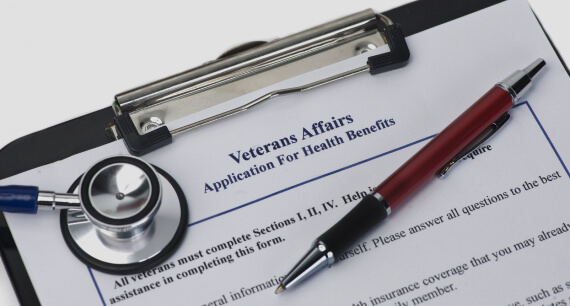
Do you feel like you meet the criteria listed above to qualify for VA disability benefits? We understand that it can be daunting to apply for disability, but we are here to help at VA Benefits Attorneys. Veterans can apply for disability online at www.va.gov/disability by completing the online form and submitting it with the necessary medical documents. Veterans who prefer a person-to-person interaction can download, print, and complete the form and submit it with their medical documents at the VA Regional Office in Hartford.

What If My VA Disability Claim is Denied?
Many veterans do not know that an estimated 30% of veteran disability applications are denied by the U.S. Department of Veterans Affairs for a variety of reasons that can range from incomplete forms to improper medical documents. A denied disability claim can be disappointing — but it does not mean you do not qualify for disability. VA Benefits Attorneys can help you appeal a denied claim and get the benefits you deserve via three appeal methods — filing a Supplemental Claim, requesting a Higher-Level Review, or applying for a Board Appeal.
Contact VA Benefits Attorneys today to appeal a denied claim!

Understanding State Veterans Benefits and Programs in Connecticut
In addition to federal veterans benefits provided by the U.S. Department of Veterans Affairs, the State of Connecticut provides veterans with exclusive state-level benefits run by the Connecticut Department of Veterans Affairs (DVA). These veterans initiatives deliver valuable tax relief, academic waivers, and emergency financial assistance put in place specifically for resident veterans.
Key state-backed veterans initiatives include:
100% P&T Property Tax Exemption:
Connecticut law requires a full real estate property tax exemption on the primary homes of veterans with a rating of 100% permanent and total disability by the VA.
Tiered Municipal Property Tax Exemptions:
Honorably discharged veterans with lower service-connected disability ratings will receive state tax exemptions that increase based on their disability rating and household income.
100% Tuition Waivers:
Eligible wartime veterans accepted into the University of Connecticut (UConn) or any Connecticut State College and University (CSCU) campus receive complete tuition waivers for undergraduate and graduate programs.
Connecticut Military Relief Fund:
Provides emergency financial relief grants up to $5,000 for service members and military families facing severe financial hardship after military service.
These state-sponsored benefits programs illustrate Connecticut’s commitment to lowering household costs and mitigating financial stress for resident veterans.
Partner with Regional Connecticut Veteran Service Officers (VSOs)
Managing federal disability claims and applying for veteran tax exemptions is simpler when working with an accredited advocate. Trained Veterans Service Officers (VSOs) and local Municipal Veterans Service Contact Persons serve across the state to protect your rights and process your claims at no cost to you.
Your local VSO can assist you by:
VA Healthcare and Medical Facilities in Connecticut
Many veterans who battle service-connected disabilities return home and need continued medical care or rehabilitation. Veterans across Connecticut will have access to comprehensive clinical care via the VA Connecticut Healthcare System:
West Haven VA Medical Center
– West Haven, CT
Newington VA Clinic
– Newington, CT
Community-Based Outpatient Clinics
– Danbury, New London, Orange, Stamford, Waterbury, Willimantic, and Winsted
Receiving regular health checks and continued care at these designated facilities ensures that your physical disabilities and medical conditions are officially documented within the VA internal health database, creating essential proof and documentation for rating increases or supplemental claims.
Common Disability Claims for Connecticut Veterans
The transition back to civilian life for veterans frequently involves managing long-term health challenges connected to active military service. Connecticut veterans routinely file federal disability claims for several common service-related illnesses, injuries, and medical conditions:
Mental Health Conditions:
High-stress deployments and operational trauma frequently result in persistent struggles with PTSD, major depression, or chronic anxiety.
Hearing Damage and Tinnitus:
Prolonged exposure to small arms fire, heavy artillery, vehicle engines, or aircraft causes widespread hearing loss and permanent ringing in the ears.
Toxic Exposures:
A significant number of veteran disability claims involve contact with airborne toxins, burn pits, or hazardous substances and are protected under PACT Act presumptive criteria.
Musculoskeletal Injuries:
The intense physical strain of military service regularly causes spinal disc degeneration, chronic back or neck stiffness, and joint injuries in the knees and hips.
Traumatic Brain Injury (TBI):
Operational head trauma, concussions, and blast exposure can lead to persistent cognitive difficulties, memory friction, and neurological issues.
These injuries, illnesses, and medical conditions represent only a small number of the chronic service-connected disabilities local Connecticut veterans contend with — and an experienced legal advocate can guide you in filing a disability claim.
Your Paths to Appealing a Denied VA Claim in Connecticut
Receiving a denied claim or a disappointing disability rating from the VA can be frustrating — but it can be overcome by appealing the decision. Veterans have the legal right to challenge a denied claim via three primary appeal methods:

Higher-Level Review
A senior claims adjudicator re-examines your existing file to identify potential errors, without examining any new evidence or documentation.

Supplemental Claim
You officially reopen your claim by submitting evidence and documentation — such as a formal medical nexus letter from an independent doctor.

Board of Veterans’ Appeals
Veterans with a denied claim can bypass regional processes and present an appeal directly to a Veterans Law Judge at the Board of Veterans’ Appeals in Washington, D.C.
When faced with a denied disability claim, an accredited veteran disability advocate or VA benefits attorney can help ensure you employ the most effective method for securing the benefits and compensation you deserve.
Connecticut Financial Relief Programs and Tax Incentives for Veterans
The State of Connecticut provides veterans with targeted tax exemptions and financial relief programs that have been designed and put in place to provide financial aid and reduce the cost of living for former service members and their families:
Real Estate Tax Exemptions:
Primary homes owned by veterans holding a 100% P&T service-connected disability rating are exempt from local property taxes, while those with lower disability ratings receive property tax reductions based on value.
Income Tax Exemptions on Retirement and Disability:
Federal VA disability payments are 100% tax-free, and Connecticut charges zero state income tax on military retirement pay or Survivor Benefit Plan (SBP) annuities.
Veteran Designation for Driver’s Licenses:
Separated service members can request a special “Veteran” designation printed on their Connecticut driver’s license or state ID card to easily confirm eligibility for local benefits.
Free Access to State Parks and Forests:
Service-connected disabled veterans can obtain free lifetime admission to all Connecticut state parks, forests, and public recreation areas.
These Connecticut state tax incentives and fee waivers provide long-term financial relief for former service members who call the state home.
Veteran Career Training and Educational Grants in Connecticut
Finding a career or developing new professional skills through higher education are viable options for veterans after military service and are supported by distinct state academic grants and employment initiatives:
Connecticut State Education Tuition Waivers
Eligible veterans receive full tuition waivers for undergraduate and graduate coursework at UConn, any Connecticut State University campus, or state community college.
Civil Service Exam Preference Points
Honorably discharged veterans receive a 5-point bonus on competitive state employment exams, while veterans with service-connected disabilities receive a 10-point advantage.
CDL Road Test Waivers
Military personnel with recent experience operating heavy military vehicles can skip the practical road test requirement when obtaining a commercial driver’s license in Connecticut.
These state-sponsored academic waivers and hiring advantages provide veterans with a distinct head start as they pursue new professional milestones.
Connecticut State Veterans Homes and Care Facilities
When aging, injured, or disabled veterans require long-term nursing and medical care, physical rehabilitation, or mental health support, the state provides veterans with a specialized long-term care facility:
– Rocky Hill, CT
Veteran Memorial Honors and State Cemeteries in Connecticut
To ensure every eligible service member is buried with appropriate military honor, dignity, and respect, Connecticut maintains dedicated state veteran cemeteries:
State Veterans Cemetery
– Middletown, CT
Col. Raymond F. Gates Memorial Cemetery
– Rocky Hill, CT
Burial rights at these veteran cemeteries include zero financial obligation for qualifying veterans’ families, including the burial plot, opening and closing services, an official government headstone, and long-term care of the site. Eligible surviving dependents may be buried alongside the veteran.
Local Support Programs and Veteran Networks in Connecticut
When they look beyond official state and federal offices, veterans will discover an active network of community organizations and veteran non-profit organizations that operate across Connecticut to provide personal, social, and logistical help:
Real-Life Milestones: Reversing an Unfavorable VA Evaluation in Connecticut
Case Study – Hartford, CT:
An honorably discharged veteran from the Hartford area was initially denied service connection for a debilitating lumbar spine injury, with the VA asserting the joint degeneration was a non-service-connected issue that developed long after military discharge. The veteran partnered with a specialized disability lawyer to obtain an independent orthopedic medical nexus report and submitted a Supplemental Claim. The new medical documentation clearly established that the spinal degradation originated from heavy lifting duties during active-duty deployments, successfully overturning the initial rejection and securing an approved 40% disability rating along with substantial retroactive back pay.
Persistence and concrete medical evidence are essential to winning an appeal. Whether you call Hartford, New Haven, Stamford, Bridgeport, Waterbury, or New London your home, local legal advocates are available to stand by your side and pursue the financial stability you deserve.
The case study details presented above serve as a representative example based on typical VA claim outcomes and are provided for illustrative purposes only. Past results do not guarantee future case outcomes.
FAQs for Connecticut State Service Members
Your Next Tactical Steps
You do not have to navigate the complex administrative layers of the VA disability system alone.
Organize and Secure — gather your DD-214, active-duty service records, and all private medical treatment files.
Consult Local Resources — connect with your local Municipal Veterans Service Officer or the CT DVA to confirm your eligibility for property tax exemptions, state tuition waivers, and recreational passes.
Partner with a Legal Advocate — partner with a VA-accredited attorney to challenge a denied claim or seek an increased disability rating.
Contact VA Benefits Attorneys today to schedule your free, confidential case evaluation!