
Champions of Aloha State Veterans: Hawaii VA Disability Attorneys
The U.S. Department of Veterans Affairs (VA) provides service and support for military veterans – support that includes disability benefits and compensation. Veterans who apply for disability benefits are faced with red tape and legal obstacles, which can make it difficult for them to receive the medical and disability benefits that they deserve – and that is where VA Benefits Attorneys can help. If you have had your VA disability claim denied and need an attorney on your side, VA Benefits Attorneys would be proud to serve as your Hawaii VA disability attorney.
Contact VA Benefits Attorneys today for a FREE legal consult!
What You Need to Know About Hawaii VA Disability Benefits
What questions do you have about your disability benefits with the U.S. Department of Veterans Affairs? VA Benefits Attorneys is a nationwide resource for veterans who need help with their disability benefits and compensation. Veterans who have been denied their benefits and need help with the appeal process can enlist the services of VA Benefits Attorneys – no matter where you live.
No matter what questions you have about veteran disability benefits – VA Benefits Attorneys has the answers!

Are You Eligible for VA Disability Benefits in Hawaii?
The application process for VA disability benefits can be complicated and the most frequently asked question we hear at VA Benefits Attorneys is – am I eligible for veteran disability benefits? We can help answer that question with a quick breakdown of the criteria veterans must meet to be eligible for compensation.
Veterans eligible for VA disability benefits must meet TWO initial criteria – they must have a current injury, illness, or medical condition that affects their mind or body AND they must have served on active duty, active duty for training, or inactive duty for training in the U.S. Armed Forces.
Veterans who meet the initial criteria above must fall into one of the disability claim categories listed below.
- Veteran became sick or injured while serving in the military and can link their current medical condition to their military service – known as an In-Service Disability Claim.
- Veteran had an injury or illness prior to their military service that was made worse by their time in the military – known as a Pre-Service Disability Claim.
- Veteran was diagnosed with a service-related injury or illness that did not appear until after the conclusion of their military service – known as a Post-Service Disability Claim.
What Are the Additional VA Benefits for Veterans?
The support for military veterans provided by the U.S. Department of Veterans Affairs does not start and stop with disability benefits. The men and women who have served our country with distinction are eligible for a variety of benefits via the Department of Veterans Affairs. VA Home Loans provide affordable financing to help veterans purchase their dream home and are only used by 6% of veterans. The G.I. Bill provides tuition assistance for veterans who want to further their education after years of service.
Contact your local Department of Veterans Affairs office in Hawaii for more information on available benefits!

Do My Injuries Qualify for VA Disability Benefits?
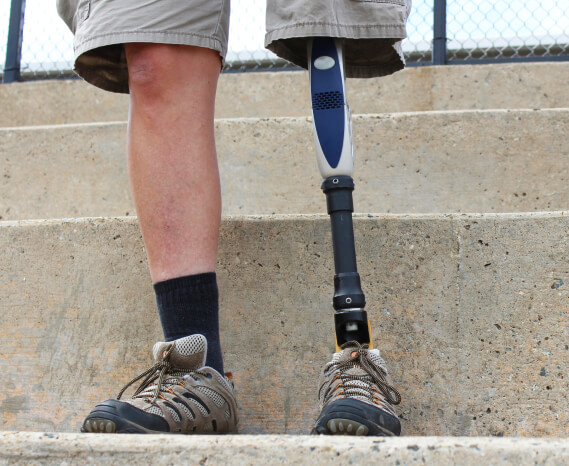
No matter where you served in the U.S. Military – Iraq, Afghanistan, or here at home – most civilians cannot understand the physical, mental, and emotional stress that combat and military training can put on your body as a veteran. The list of service-connected injuries, illnesses, and medical conditions that qualify veterans for disability benefits continues to grow – and not all injuries are visible.
Here is a quick breakdown of common service-related injuries, illnesses, and medical conditions that may qualify veterans for disability benefits with the U.S. Department of Veterans Affairs.
- Depression and Anxiety
- Traumatic Brain Injury – TBI
- Posttraumatic Stress Disorder – PTSD
- Tinnitus, Migraines, and Hearing Loss
- Chronic Back, Neck, and Knee Pain
- Select Types of Cancer
- Select Types of Lung Disease
- MORE…
How Do I Apply for VA Disability Benefits in Hawaii?
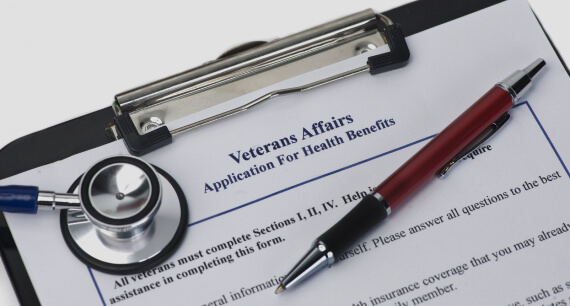
Are you a veteran who meets the criteria listed above? Do you have a service-related injury, illness, or medical condition that qualifies for VA disability benefits? If you answered yes – you may not know how to apply for benefits and VA Benefits Attorneys can help. To apply for VA disability benefits, complete the online application form at www.va.gov/disability and submit it with your necessary medical documents. Veterans who prefer an in-person interaction can download and print the online application, complete the forms, and submit the completed application and your medical documents to the VA Regional Office in Honolulu.

What To Do If Your VA Disability Claim is Denied?
You may not know it – but an estimated 30% of VA disability claims are denied for a variety of reasons. Reasons that the U.S. Department of Veterans Affairs denies claims include incomplete paperwork, insufficient medical documents, medical conditions unrelated to service, and more. You may feel defeated when your disability claim is denied – but VA Benefits Attorneys can help you appeal the decision. There are three primary methods of appeal – file a Supplemental Claim, submit a Higher-Level Review, or request a Board Appeal.
VA Benefits Attorneys is here to help you appeal your denied disability claim and get the benefits you deserve!

Explore State-Level Veteran Support Programs in Hawaii
The State of Hawaii provides dedicated state-level programs administered by the Hawaii Office of Veterans’ Services (OVS) that go beyond federal benefits provided by the U.S. Department of Veterans Affairs. These state-supported initiatives are created to supply real financial relief and support for Hawaiian service members and their families.
Key state-backed benefits include:
Property Tax Exemption for Disabled Veterans:
Across all Hawaiian counties, primary homes owned and occupied by veterans with 100% permanent and total disability or receiving TDIU, are exempt from county property taxes and subject to lower fees.
Disabled Veteran Motor Vehicle Tax Waivers:
Veterans with a 100% service-connected disability rating are exempt from paying annual county vehicle weight taxes and registration fees, may receive special license plates that allow free parking at state and county metered stalls.
State Park Admission Fee Waivers:
Disabled veterans and active military personnel qualify for discounted fees when visiting Hawaii state parks, camping grounds, and recreational resources.
State Combat Tax Exemptions:
Active service personnel and mobilized reserve members receive state tax exemptions on military pay earned while deployed to combat zones.
These state-sponsored financial programs show the State of Hawaii’s commitment to reducing household living expenses and supporting the financial health of its veteran community.
Partnering with Local Hawaii Veteran Service Officers (VSOs)
Navigating the processes to apply for state veteran benefits and county tax exemptions is much easier when you partner with an accredited veteran advocate. Certified Veteran Service Officers (VSOs) with the Hawaii Office of Veterans’ Services operate offices across Oahu, Hawaii Island, Maui, and Kauai to protect your rights with no cost to you as a veteran.
Your local VSO can help you:
VA Medical Centers and Clinical Care Networks in Hawaii
Establishing a well-documented disability claim requires a consistent history of medical care, evaluations, and professional diagnoses. Military veterans living in Hawaii can benefit from outpatient clinics and specialized medical care centers within the VA Pacific Islands Health Care System (VAPIHCS) to treat service-connected conditions:
Spark M. Matsunaga Department of Veterans Affairs Medical Center
– Honolulu, HI
Daniel K. Akaka VA Clinic
– Kapolei, HI
Leeward Oahu VA Clinic
– Ewa Beach, HI
Hilo VA Clinic
– Hilo, HI
Kona VA Clinic
– Kailua-Kona, HI
Maui VA Clinic
– Kahului, HI
Kauai VA Clinic
– Lihue, HI
Routine medical care at these federal facilities ensures that your service-connected injuries and health conditions are officially documented within the VA’s medical records, providing important documentation for future claims.
Common Service-Connected Claims for Hawaii Veterans
Restarting civilian life in the islands can often involve battling long-term physical injury and emotional trauma that began during active military duty. Veterans in the Aloha State may submit VA claims for any of these common service-connected disabilities:
Mental Health Disorders:
High-stress military operations and traumatic events routinely lead to long-term struggles with PTSD, anxiety, or clinical depression.
Hearing Loss & Tinnitus:
Frequent exposure to weapons fire, artillery, aircraft, and heavy equipment frequently causes irreversible hearing loss and persistent tinnitus.
Toxic Exposure & Burn Pits:
A high volume of recent disability claims stem from toxic waste, field burn pits, or chemical exposures during deployments and are evaluated under current PACT Act guidelines.
Orthopedic & Musculoskeletal Damage:
The physical demands of military training and combat operations regularly cause degenerative orthopedic and musculoskeletal issues
Traumatic Brain Injury (TBI):
Explosions, blunt-force trauma, and training concussions can contribute to memory loss, executive function deficits, and migraines.
These injuries, illnesses, and medical conditions represent only a few of the chronic medical conditions and disabilities that afflict local veterans, and an experienced VA disability attorney can help you collect the evidence needed to prove your claim.
Three Methods for Appealing a Denied VA Claim in Hawaii
It can be extremely disappointing to have your disability claim denied or to receive an unfair disability rating — yet it is just a hurdle that must be overcome. Federal law provides veterans with three primary legal mechanisms to challenge a denied claim:

Higher-Level Review:
An experienced senior VA adjudicator performs a review of your existing claim to find any factual or legal mistakes, without reviewing new medical documentation.

Supplemental Claim:
You officially reopen your claim by providing updated documentation and evidence — which may include an independent medical specialist’s nexus assessment.

Board of Veterans’ Appeals:
You can bypass local approval processes and present your argument directly before an administrative Veterans Law Judge located in Washington, D.C.
You may need help determining the best method for your appeal, and partnering with a dedicated veterans disability lawyer — like VA Benefits Attorneys — ensures you employ the most effective strategy.
Financial Relief and Tax Exemptions for Hawaii Veterans
The State of Hawaii and its individual counties provide dedicated financial programs and policies designed to reduce living expenses for resident veterans and their families:
County Real Property Tax Exemptions:
Homeowners with a 100% permanent and total (P&T) service-connected disability rating are exempt from county real estate property taxes on their primary home — with tiered exemptions offered in Maui and Kauai for veterans with ratings of 70% and above.
Tax-Free Disability Compensation & Military Pensions:
All federal VA disability compensation is exempt from state and federal taxes, and Hawaii does not levy any personal income tax on military retirement pay or Survivor Benefit Plan (SBP) payments.
Vehicle Weight Tax & Registration Exemptions:
Eligible disabled veterans are exempt from paying annual county vehicle registration and weight fees on one non-commercial vehicle.
Official Veteran Driver’s License Designation:
Former service members separated under honorable conditions can receive an official “Veteran” identifier on their Hawaii driver’s license or state ID card to simplify benefits.
Securing these state-provided tax exemptions and financial benefits provides dependable, financial relief for qualifying military families statewide.
Career Programs and Educational Grants for Hawaii Veterans
Making the transition to civilian life may mean finding a new career or pursuing higher education, which is supported by state-provided academic assistance programs and public hiring protections:
University of Hawaii Military & Veteran Tuition Protections:
Honorably discharged veterans, active-duty personnel, and eligible dependents attending University of Hawaii (UH) system campuses qualify for resident in-state tuition rates.
Hawaii National Guard State Tuition Assistance Program (STAP):
Provides tuition funding assistance for eligible active members of the Hawaii Army or Air National Guard attending approved campuses.
State and County Civil Service Preference Points:
Honorably separated veterans receive 5 additional preference points on competitive civil service employment exams, while disabled veterans receive a 10-point advantage.
These state-sponsored academic exemptions and hiring initiatives provide Hawaiian veterans with a head start when beginning their post-military life.
Long-Term Medical Care at Hawaii State Veterans Homes
When aging and disabled veterans need around-the-clock medical care, physical therapy, or memory support, Hawaii maintains state-run medical facilities:
– Hilo, HI
– Kapolei, HI
Military Honors and State Veterans Cemeteries in Hawaii
To ensure former service members are laid to rest with dignity, honor, and the proper military traditions, Hawaii maintains dedicated state and county veterans cemeteries across each major island:
Hawaii State Veterans Cemetery
– Kaneohe, HI
National Memorial Cemetery of the Pacific (Punchbowl)
– Honolulu, HI
West Hawaii Veterans Cemetery
– Kailua-Kona, HI
East Hawaii Veterans Cemetery
– Hilo, HI
Maui Veterans Cemetery
– Makawao, HI
Kauai Veterans Cemetery
– Hanapepe, HI
Molokai Veterans Cemetery
– Hoolehua, HI
Lanai Veterans Cemetery
– Lanai City, HI
Burial honors are free for the families of qualified veterans, with covered costs that include the cemetery plot, professional opening and closing services, a government-issued gravestone, and ongoing landscape care.
Community Veteran Networks and Support Programs in Hawaii
Looking beyond of state and federal veterans benefits, you will discover an active network of independent non-profit groups and programs that operate across Hawaii to provide essential assistance:
Real-Life Milestones: Reversing an Unfavorable VA Evaluation in Hawaii
Case Study – Honolulu, HI
An honorably discharged Marine Corps veteran residing on Oahu was initially denied service connection for bilateral hearing loss and severe tinnitus, with the VA asserting the administrative records failed to document an acute auditory injury during military service. The veteran partnered with a dedicated VA disability attorney to review the military occupational specialty (MOS) noise exposure logs and obtain an independent audiological nexus evaluation. Submitting a Supplemental Claim with this new clinical evidence, the attorney established that continuous exposure to artillery and aircraft flight decks during Pacific deployments was the direct cause of the impairment, completely overturning the initial denial and securing an approved service-connected rating with substantial retroactive back pay.
Demonstrating your claim through sound medical evidence and persistent legal advocacy is critical to winning an appeal. Whether you reside in Honolulu, Kapolei, Hilo, Kahului, Lihue, or Kailua-Kona, qualified legal professionals are ready to help you pursue the benefits you are owed.
The case study details presented above serve as a representative example based on typical VA claim outcomes and are provided for illustrative purposes only. Past results do not guarantee future case outcomes.
FAQs for Hawaii State Veterans
Strategic Next Steps for Your Claim
You do not have to struggle through the administrative layers of the VA disability process alone.
Consolidate Your Paperwork: Gather your DD-214, active-duty service records, and all private clinical treatment charts.
Verify State Benefits: Contact your nearest Hawaii Office of Veterans’ Services island counselor to confirm your qualifications for county real property tax exemptions, vehicle fee waivers, and state park access.
Engage Dedicated Legal Counsel: Partner with a VA-accredited attorney — like VA Benefits Attorneys — to dispute a denied claim or apply for a higher disability rating.
Contact VA Benefits Attorneys today to schedule your free, confidential case evaluation!