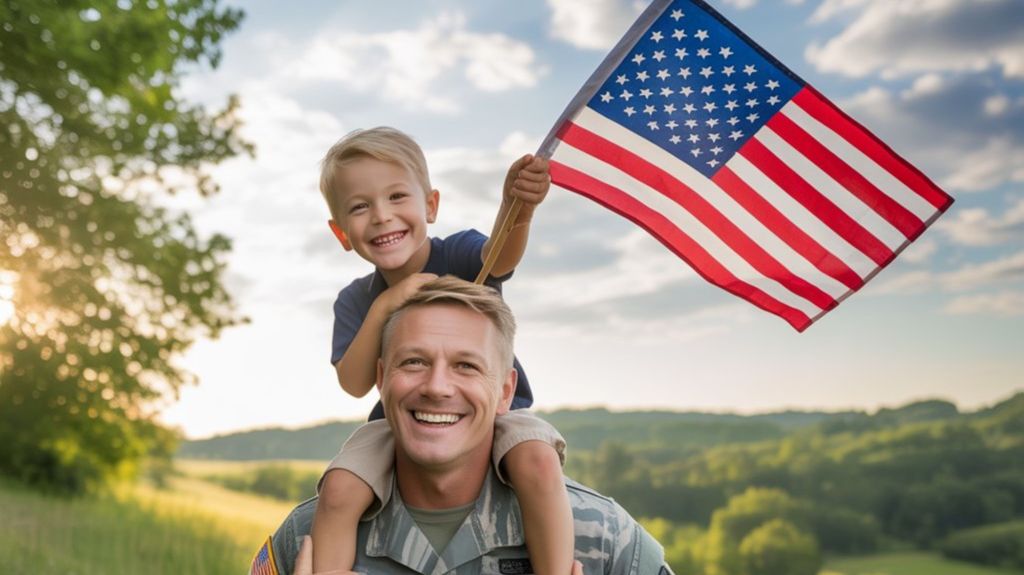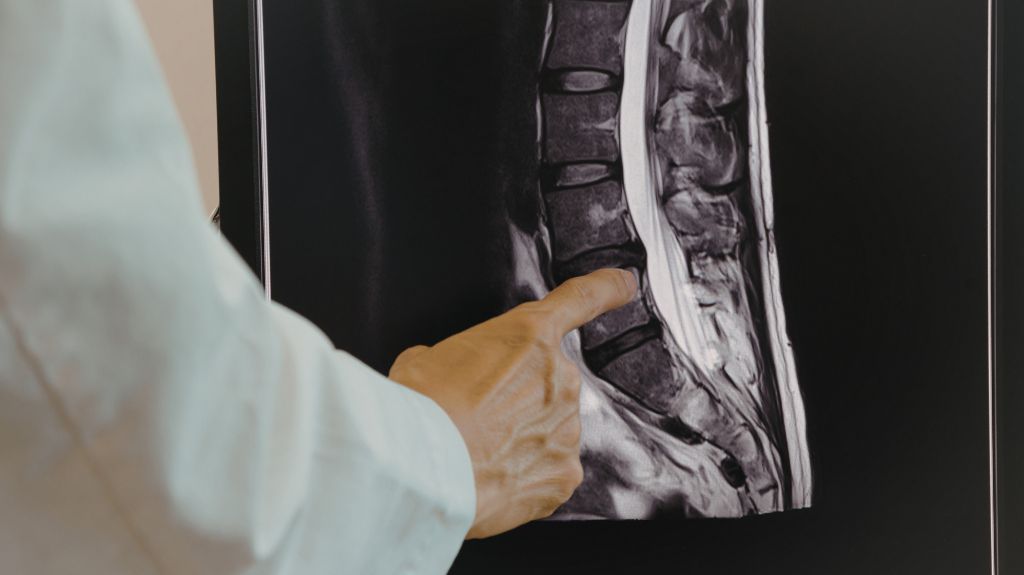

We Serve Those Who Served: North Carolina VA Disability Attorneys
Things You Need to Know About North Carolina VA Disability Benefits
We know you probably have questions about your VA disability benefits. How do you apply for disability? Does your injury, illness or medical condition qualify you for disability? What is your disability rating? Can your disability rating change? What is the PACT Act?
We can answer all of these questions and more right here at VABenefits Attorneys. We have the legal expertise and knowledge to help ensure that you receive the benefits you have earned via your time in service.
Contact us today with any questions you may have about your VA disability benefits!
Are You Eligible for VA Disability Benefits in North Carolina?
The first question that we are often asked at VABenefits Attorneys is – am I eligible for VA disability? The basis for VA disability involves a service-related injury, illness or medical condition and veterans must meet a series of requirements to qualify.
Veterans must meet two primary criteria. Disabled veterans must have an injury, illness or medical condition that impacts the mind or body AND must have served in the military on active duty, active duty for training or inactive duty for training. In addition to the previous criteria, eligible veterans must meet ONE of the following criteria:
- You were injured or became ill while you served in the military and can link your medical condition to your time in service – called an in-service disability claim.
- You had an injury or illness prior to joining the military that was made worse by your time in service – called a pre-service disability claim.
- You have an injury, illness or disability that did not appear until after your time in service that can be connected to your military service – called a post-service disability claim.
What Additional Benefits Are Available to North Carolina Veterans?
Veterans in North Carolina have even more opportunities and benefits available to them via the United States Department of Veterans Affairs. Benefits available to North Carolina veterans include educational benefits with the Montgomery G.I. Bill, health and medical services at VA facilities, veterans home loans, preferred employment benefits, burial services, vocational rehabilitation and much more.
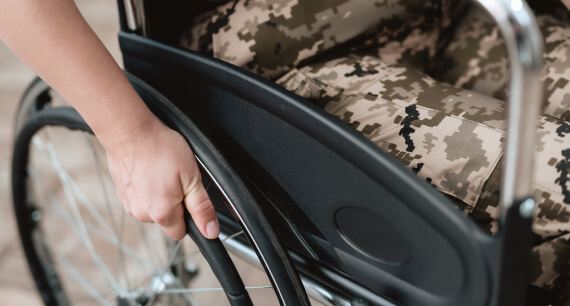
What Injuries, Illnesses and Conditions Qualify for VA Disability Benefits?
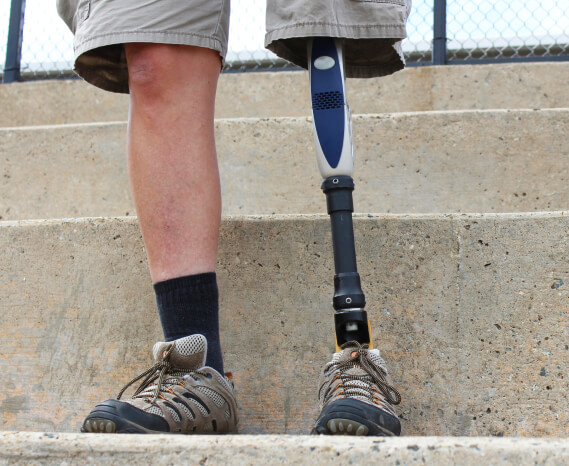
Veterans have faced combat, hardship and more in service to their country – and the scars left by that service are not always visible. A variety of injuries, illnesses and medical conditions can qualify veterans for disability benefits and you may ask – does my injury make me eligible for benefits? We can help answer that question at VABenefits Attorneys.
Here is a short list of a few injuries, illnesses and medical conditions that make veterans eligible for monthly disability benefits and compensation.
- Chronic Back, Neck and Knee Pain
- Loss of Range of Motion
- Lung Disease
- Severe Scar Tissue
- Severe Hearing Loss
- Ulcers
- Traumatic Brain Injury – TBI
- Mental Health Conditions – Depression and Anxiety
- Posttraumatic Stress Disorder – PTSD
How To Apply for VA Disability Benefits
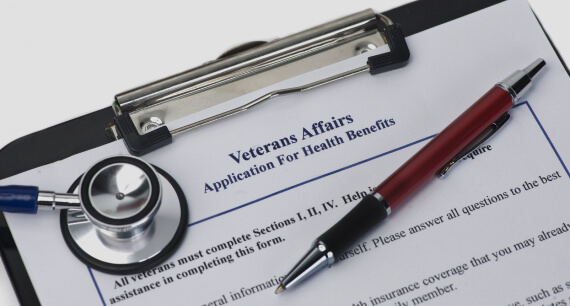
Are you eligible for VA disability benefits? Are you unsure of how to apply for disability? VABenefits Attorneys is here to help you file your claim with the U.S. Department of Veterans Affairs when needed. Veterans can file for disability online at www.va.gov/disability OR can download and print the online application, fill it out and return the form to the Winston-Salem VA Regional Office or additional VA facilities.

What To Do If Your VA Disability Claim is Denied
There is a chance that your VA disability claim may be denied – and it could be for a variety of reasons. This is where VABenefits Attorneys can help our North Carolina veterans the most. We understand the appeal process and can help you file your appeal and receive the benefits that you deserve. When your disability claim is denied, you have four appeal options – file a Supplemental Claim, file a Notice of Disagreement, request a Higher Level Review or present your case to a Veterans Law Judge.
Contact the VABenefits Attorneys legal team for more information on how you can appeal a denied disability claim!

Guide to State Veteran Programs and Benefits in North Carolina
Veterans who call the Tar Heel State home live in a state that values military service. Beyond federal compensation provided by the U.S. Department of Veterans Affairs, North Carolina provides an array of state-level programs and benefits designed to provide valuable support for state veterans that are overseen by the North Carolina Department of Military and Veterans Affairs (DMVA).
Key North Carolina veteran benefit programs include:
Property Tax Exemptions
Eligible disabled veterans are exempt from paying taxes on the first $45,000 of their home’s value from property taxes. Under new legislation, this exclusion is expected to increase to $61,000 for taxes beginning on or after July 1, 2026.
Income Tax Exemptions
Military retirement pay and Survivor Benefit Plan (SBP) payments are 100% exempt from North Carolina state income tax for those with 20+ years of service or a medical retirement.
Scholarships for Dependents
The North Carolina Scholarship for Children of Wartime Veterans offers eight academic semesters of tuition assistance for the children of certain deceased or disabled veterans.
Recreational Licenses
Veterans with a 50% or higher disability rating qualify for lifetime state hunting and fishing licenses at a reduced cost that ranges from $10 to $110.
These are just a few of the North Carolina state veterans programs that provide support for veterans who call the state home. These veterans programs may have specific eligibility requirements, and veterans can contact the North Carolina Department of Military and Veterans Affairs (DMVA) or an Accredited Benefits Advisor for help.
Where To Find Local County Veterans Service Officers (VSO) in North Carolina
Navigating the obstacles and red tape of the Department of Veterans Affairs can be a daunting task — but local support is available through a network of accredited professionals. North Carolina maintains a Veterans Service Office (VSO) in each of its 100 counties to provide the following essential services at no cost:
Property Tax Exemptions
Provide hands-on assistance in identifying, gathering, and submitting the specific medical and service documents required for a successful disability claim.
Income Tax Exemptions
Help veterans apply for North Carolina-specific programs, such as property tax waivers, specialized license plates, and state-funded scholarships.
Scholarships for Dependents
Assist in the difficult process of ordering official copies of your DD-214, military medical files, and private healthcare records to support your disability claim.
Property Tax Exemptions
Serve as a liaison, tracking the progress of your disability claim through the Winston-Salem Regional Office and responding to VA requests for more information.
Income Tax Exemptions
Provide assistance with filing for Dependency and Indemnity Compensation (DIC) or widow’s pensions.
Search for North Carolina Veteran Services online to find out how to get in touch with North Carolina VSOs.
Find North Carolina VA Regional Offices and Healthcare Centers
North Carolina hosts several major Department of Veterans Affairs facilities that serve as hubs for both medical care and the processing of veterans benefits. These facilities are the primary touchpoints for veterans who need help with their healthcare or tracking the status of their disability claims.
The clinics and hospitals managed by the U.S. Department of Veterans Affairs provide North Carolina veterans with access to primary care, mental health support, and rehabilitation. In addition — the medical documentation generated at these facilities provides critical evidence to strengthen future disability claims or appeals.
Common Disability Claims for North Carolina Veterans
While every veteran disability claim is different and our legal team represents North Carolina veterans facing many service-connected health challenges. Here is a closer look at a few common veteran disability claims:
Hearing Loss and Tinnitus: High rates of tinnitus and hearing loss are common among those exposed to flight line noise, heavy machinery, military weapons, and more.
PTSD and Mental Health: Many veterans struggle in day-to-day life with PTSD, depression, or anxiety related to combat or traumatic service events.
Traumatic Brain Injury (TBI): Many veterans from the post-9/11 era suffer from the invisible wounds related to blast exposures, which can result in cognitive impairment, memory loss, and headaches.
Joint and Spinal Issues: Chronic back, hip, knee, and spinal injuries often plague veterans who served in physically demanding roles, carried heavy loads, or suffering falls.
Toxic Exposures: Following the PACT Act, there is a surge in claims related to respiratory illnesses and cancers linked to toxic burn pit exposure or Agent Orange.
These common VA benefits claims require careful documentation, medical evidence, and proof of service connection — and a Texas VA disability attorney can help.
Options for Appeal of a Denied VA Claim in North Carolina
If a veteran’s disability claim is denied by the Department of Veterans Affairs, it is important to remember that this is often just the start of a successful appeal — and there are three primary paths forward:

Higher-Level Review
Request that a senior adjudicator re-examine your existing file for errors.

Supplemental Claim
Present new medical or service evidence that was not included in your initial claim.

Board Appeal
Take your case to a judge at the Board of Veterans’ Appeals in Washington, D.C.
Not sure which path is the best way forward for you and your claim? VA Benefits Attorneys can evaluate your denial letter to determine which strategy offers the highest probability of a successful appeal.
North Carolina Financial Incentives and Tax Relief for Veterans
North Carolina provides several financial benefits to its veteran population to ease the cost of living and as a thank you for years of military service:
Homeowner Tax Exemptions
Veterans that are 100% permanently and totally disabled can protect a significant portion of their home’s value from local property taxes.
State Tax Exemptions
All VA disability compensation is completely exempt from state taxes — and retired veterans typically do not pay state income tax on their pensions.
License Plate Benefits
The North Carolina DMV offers more than a dozen specialized military plates, with Disabled Veteran (DV) plates available to those with qualified ratings.
Recreational and Park Savings
Under state law, eligible veterans with service-connected disabilities can obtain a free North Carolina state parks annual pass and all veterans qualify for discounts on campsite reservations.
North Carolina state financial incentives and tax relief programs provide valuable financial assistance to veterans and their families.
North Carolina Employment, Education, and Career Resources
For veterans looking to build a career in the civilian sector or continue their education, North Carolina provides a wealth of transition programs to help veterans in the Tar Heel State succeed after their years of service.
NC 4 ME
This public-private partnership works directly with business leaders in North Carolina to prioritize veteran hiring across the Tar Heel State.
NCWorks Veterans Portal:
This state-run platform grants veterans exclusive 24-hour early access to new job postings before they are available to the general public.
The Choice Act
Under the Choice Act, eligible North Carolina veterans living in the state receive in-state tuition rates at all public universities and community colleges.
North Carolina has committed valuable resources to providing veterans with the help they need to continue their education or start a career when they have transitioned to civilian life.
North Carolina Nursing and Long-Term Care Facilities or Veterans
North Carolina manages several state-of-the-art nursing homes specifically for veterans and their spouses who require 24-hour care:
Making the transition to a long-term care facility is a significant life event for a veteran and their family. The North Carolina Department of Military and Veterans Affairs (DMVA) is dedicated to ensuring these homes offer more than just basic medical care, to include mental health support, rehabilitation, and memory care for those who have served.
North Carolina State Veterans Cemeteries and Burial Rights
The North Carolina Department of Military and Veterans Affairs operates four state cemeteries to ensure a dignified final resting place for those who served.
North Carolina state veterans’ cemeteries are located in Black Mountain, Goldsboro, Jacksonville, and Spring Lake.
Qualified North Carolina veterans are eligible for burial at no cost, while their spouses and dependents may be interred for a lower fee. These state honors provide a dignified final resting place, covering of the gravesite, headstone, opening and closing services, and perpetual care of the burial site.
North Carolina Veteran Advocacy and Support Groups
Beyond the government assistance provided to veterans, North Carolina veterans will benefit from a robust network of non-profit community advocacy and support groups.
Real-Life Example: Overcoming a Denied Claim in the Tar Heel State
Case Study — Jacksonville, NC
A Marine Corps veteran living in Jacksonville was originally rated at 30% for a service-connected shoulder injury. As his range of motion decreased, he found he could no longer perform his trade as a mechanic. His request for a rating increase was initially rejected. By partnering with a dedicated attorney, he filed a Supplemental Claim that included an updated nexus letter and an independent medical examination. The resulting 100% disability rating provided the financial stability he needed to retire and focus on his physical rehabilitation.
Success stories like this demonstrate why persistence and professional legal advocacy are so vital. Whether you are located in Charlotte, Raleigh, Greensboro, or Fayetteville, specialized support is available to ensure you obtain the full benefits you have earned through your service.
The case study above is a representative example for illustrative purposes. Past results do not guarantee future outcomes.
FAQs for North Carolina Veterans
Next Steps Your North Carolina VA Claim
Organize Your Files: Ensure you have a copy of your DD-214 and all recent medical records from both VA and private doctors.
Verify Your Rating: If your conditions have become worse since your last evaluation, you may be eligible for an increased rating.
Seek Expert Counsel: Whether filing for the first time or appealing a denied claim, professional legal guidance can make the difference.
Contact VA Benefits Attorneys today for your FREE case evaluation.