
VA Benefits Attorneys – Texas VA Disability Attorneys Fighting for Your Rights
A team of experienced Texas VA disability attorneys at VABenefits Attorneys on your side can help you with the application process, claim denials and more. Contact VABenefits Attorneys today for a FREE consultation!
What You Need to Know About Texas VA Disability Benefits
Do you have questions about the VA disability application process? Have you had your VA disability claim denied? VABenefits Attorneys has the experience and knowledge that you need on your side when you have questions about your VA disability claim. We are proud to help our Texas veterans and answer any questions you may have about Department of Veterans Affairs claims and benefits.

What VA Benefits Are Available to Texas Veterans?
We appreciate the service and sacrifice of our veterans in the United States and the Department of Veterans Affairs works to care for those veterans on multiple fronts. Veterans are eligible for disability compensation for injury, illness or medical conditions, vocational rehabilitation, preferred employment, educational benefits, healthcare at VA medical facilities, burial services and more.
Who Is Eligible for VA Benefits in Texas?
Many veterans remain unsure if they qualify for VA disability benefits and compensations. To qualify for VA disability benefits – you must be an active duty, active duty for training or inactive duty training veteran with a current injury or illness that impacts your mind or body. In addition to that criteria, you must meet one of the following criteria to be eligible.
- You became sick or injured while serving in the military and can link your condition to that active service OR
- You had an injury or medical condition prior to service and that condition was made worse while in service OR
- You have a disability or medical condition related to your military service that did not manifest until after your military service.

What Injuries, Illnesses and Conditions Qualify for VA Disability?
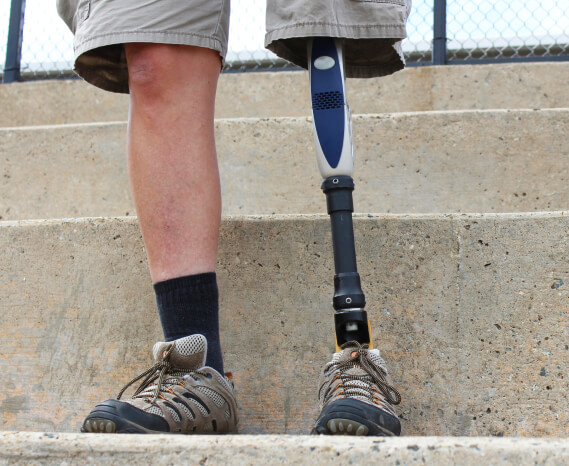
Any veteran will know that not all wounds are visible and VA disability compensation benefits can be applied to a variety of service-related injuries, illnesses and medical conditions that are determined by the Department of Veterans Affairs.
Here is a list of a few injuries, illnesses and conditions that will qualify you for compensation.
- Posttraumatic Stress Disorder (PTSD)
- Mental Health Disorders – Depression, Anxiety and More
- Traumatic Brain Injury (TBI)
- Chronic Back and Knee Pain
- Severe Hearing Loss
- Cancer Caused by Toxic Chemicals and Exposure
How Do I File for VA Disability in Texas?
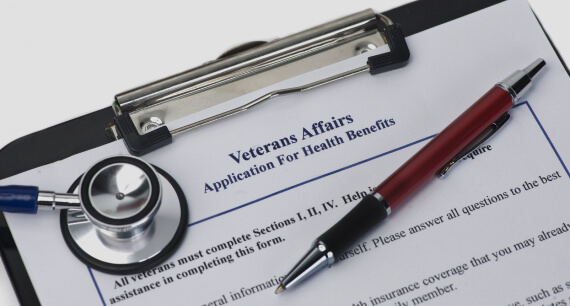
Texas veterans who are eligible for compensation and benefits may be asking – how do I file for VA disability? The simplest way is to fill out the online disability claim form at www.va.gov/disability. Individuals who prefer a more personal process can download and print the online application and turn it in at a VA Regional Office in Houston or Waco. If you have questions, contact VABenefits Attorneys for help with your application.

What Should I Do if My VA Claim is Denied?
What happens if your claim is denied? It is a question we get a lot at VABenefits Attorneys and we are happy to help. Disability claims can be denied for multiple reasons and there are four ways to dispute your claim – file a Notice of Disagreement appeal, request a Higher Level Review, file a Supplemental Claim or present your case to a Veterans Law Judge. VABenefits Attorneys has the experience you need to dispute a denied claim and receive your benefits.

Understanding Texas’s Veteran-Specific Benefits
Many veterans in the Lone Star State are eligible for federal benefits via the VA — but Texas offers additional state-specific benefits for our men and women who have served the country through the Texas Veterans Commission (TVC). If you have already received federal VA benefits, these Texas veterans programs can provide additional support.
Key Texas veteran benefit programs include:
Hazlewood Act
The Hazlewood Act provides qualified veterans, spouses, and child dependents with an education benefit of up to 150 hours of tuition exemption at select Texas public colleges and universities.
Disabled Veteran Property Tax Exemptions
Veterans with a 100% disability rating may be exempt from paying property taxes on their primary residence. Partial exemptions are available for those with lower disability ratings.
Texas State Veterans Homes
Texas operates nine long-term veteran care facilities that provide affordable, high-quality care for veterans and their spouses.
Veterans Land Board (VLB) Loans
Texas offers low-interest land, home, and home improvement loans specifically for Texas veterans.
Free Driver’s Licenses
Disabled veterans with a service-connected disability rating of at least 60% may be eligible for free Texas driver’s licenses and ID cards.
These programs and others like them, may have unique eligibility and documentation requirements, and Texas veterans can start the process by contacting the Texas Veterans Commission (TVC) or an Accredited Benefits Advisor.
Where To Find County Veterans Service Officers (VSOs) in Texas
Not sure where to start or how to apply for state, federal, or local veterans benefits? Texas County Veterans Service Officers (VSOs) are trained professionals here to help you navigate the VA system. Texas VSOs are located in almost every major county in the state, and whether you are in Harris, Dallas, Tarrant, or Bexar County, these offices can help gather military records and medical documentation.
Common services provided by VSOs in Texas include:
Serve as advocates for property tax exemptions for disabled veterans and their dependents.
Provide support services for veterans, like transportation to appointments, crisis intervention, and housing referrals.
Texas VA Regional Offices and Medical Centers
Veterans in Texas have access to several major VA hubs and medical facilities where they can receive medical care and assistance with benefits claims:
Michael E. DeBakey VA Medical Center – Houston, TX
South Texas Veterans Health Care System – San Antonio, TX
VA North Texas Health Care System – Dallas, TX
Central Texas Veterans Health Care System – Temple/Waco, TX
West Texas VA Health Care System – Big Spring, TX
The VA regional offices and medical centers in Texas provide state veterans with primary and specialty medical care, mental health support, and rehabilitation. With documented care provided by the VA system, you can strengthen future claims and appeals.
Common VA Disability Claims for Texas Veterans
Texas veterans file claims for a wide variety of service-connected injuries, illnesses, and medical conditions. Here is a better look at a few of the most common disability claims filed by Texas veterans:
Post-Traumatic Stress Disorder (PTSD) and Mental Health: Many Texas veterans who served in Iraq and Afghanistan, battle with PTSD, anxiety, or depression.
Hearing Loss and Tinnitus: Exposure to gunfire, military equipment, and aircraft noise in the military can lead to permanent hearing issues.
Musculoskeletal Injuries: Years of hard training and carrying heavy gear have resulted in chronic back, knee, and hip problems for veterans.
Toxic Exposures: The PACT Act makes many Texas veterans eligible for benefits related to respiratory issues and cancers caused by burn pit exposure.
Traumatic Brain Injury (TBI): Traumatic Brain Injuries are common among Texas veterans who experienced head injuries during their service.
These common VA benefits claims require careful documentation, medical evidence, and proof of service connection — and a Texas VA disability attorney can help.
What to Do if Your VA Claim Is Denied in Texas
Denied VA claims happen and when a Texas veteran’s claim is denied, they have a few legal options to challenge the decision made by the VA.

Higher-Level Review
The claim is reviewed by a senior VA representative without new evidence to identify errors.

Supplemental Claim
This allows Texas veterans to submit new and relevant evidence, such as updated medical evaluations or “buddy statements” to better support their claim.

Board of Veterans’ Appeals (BVA)
Texas veterans can request a hearing before a Veterans Law Judge via video conference from your home or in person.
With the help of an experienced VA benefits attorney familiar with the legal process, Texas veterans can identify gaps in evidence, prepare medical documents, and argue their case effectively.
State Tax and Financial Benefits for Texas Veterans
Texas has a reputation as one of the most veteran-friendly states in the country regarding financial incentives for veterans and their families:
Property Tax Exemptions
Veterans with a 100% service-connected disability rating are eligible for a total exemption from property taxes on their primary residence. Partial exemptions are available for veterans with lower disability ratings.
No State Income Tax
Texas does not have a state income tax, meaning your VA disability compensation pay and military retirement pay are never taxed at the state level.
VLB Land and Home Loans
The Texas Veterans Land Board (VLB) provides low-interest land, home, and home improvement loans for Texas veterans to help them build their dream home.
Free Driver’s Licenses
Disabled veterans in Texas with a rating of 60% or higher can receive their driver’s license or ID card for free.
These key financial benefits provided by the State of Texas can help reduce the cost of living and reward veterans for their service.
Veteran Education, Retraining, and Career Opportunities in Texas
The State of Texas provides excellent education, retraining, and career-driven resources for veterans looking to start a new career or head back to school:
The Hazlewood Act
This Texas benefit provides qualified veterans with up to 150 hours of tuition exemption at Texas public colleges and universities and can be transferred to a spouse or child.
Texas Workforce Commission (TWC)
The TWC offers “Texas Operation Welcome Home,” which helps veterans translate their military skills into the civilian workforce and connects them with employment representatives.
Workforce Solutions
Many local employment offices across Texas provide priority service to veterans seeking jobs, building resumes, and in need of career coaching.
It can be difficult to transition from military to civilian life and Texas provides veterans with a wealth of programs to help along the way.
Texas State Veterans Homes and Long-Term Care Facilities
Texas operates nine VLB Texas State Veterans Homes located across the state to provide affordable and high-quality long-term care:
These veteran care facilities offer skilled nursing care, specialized Alzheimer’s and memory care, and short-term rehabilitation for veterans, their spouses, and Gold Star parents. In addition to those services, these facilities are designed to create a community of peers with veteran-focused activities.
Texas State Veterans Cemeteries and Burial Benefits
The Texas Veterans Land Board operates four state veterans cemeteries that serve as a complement to the national cemeteries in the state that are located in Abilene, Corpus Christi, Killeen, and Mission.
Burial at these state veterans cemeteries is available at no cost to the veteran and includes the plot, opening and closing of the grave, a headstone, and long-term care in a beautiful setting. Spouses and dependent children may also be eligible for burial for a small fee.
Each cemetery and its staff is dedicated to providing a final resting place that honors the veteran’s service with dignity and respect.
Local Texas Veterans Organizations and Support Services
When you look beyond government agencies, Texas has a strong network of community-based organizations that provide practical and emotional support for veterans. These groups can help with many things including benefit applications, counseling, and employment networking.
Real-Life Example: A Texas Veteran’s Appeal Success
Case Study – San Antonio, TX:
An Army veteran in San Antonio was initially denied benefits for a knee injury despite multiple surgeries during active duty. By working with an attorney to secure a “Nexus Letter” from a medical expert and filing a Higher-Level Review, the veteran successfully overturned the denial and received a 40% rating, resulting in years of back pay and ongoing monthly compensation.
Stories like this are not uncommon — persistence and evidence matter. Whether you’re located in Dallas, Houston, San Antonio, or El Paso, legal help is available to ensure you receive the benefits you’ve earned via your military service.
The case study above is a representative example based on typical VA claim outcomes and is provided for illustrative purposes only. Past results do not guarantee future results.
Frequently Asked Questions for Texas Veterans
Next Steps for Texas Veterans
If you’re a veteran in the Lone Star State, you don’t have to navigate the VA system alone.
Start by:
Gather your DD-214 and medical records.
Contact the Texas Veterans Commission or your local VSO to determine state eligibility.
Reach out to a VA-accredited attorney for help appealing denied or underrated claims.
Contact VA Benefits Attorneys today for a free consultation.