What Mental Health Conditions Qualify for VA Disability?
Did you know that an estimated 2.8 million veterans claim mental health conditions as a disability? That is an estimated 30% of veterans who battle mental health disorders and conditions in their day-to-day life and may need additional support.
Even with that many veterans battling poor mental health, there are still more who are depressed, have anxiety, or struggle with their mental health that do not receive disability from the U.S. Department of Veterans Affairs (VA). Many veterans want to know — what mental health conditions qualify for VA disability? VA Benefits Attorneys may have the answers to your questions.
Understanding VA Mental Health Ratings and Service Connections
Millions of veterans who have dealt with trauma in the military now face a wide range of mental health conditions, ranging from Posttraumatic Stress Disorder (PTSD) and anxiety to Bipolar Disorder and Schizophrenia. The U.S. Department of Veterans Affairs has separated service-connected mental health conditions into multiple categories — Anxiety Disorders, Depressive and Mood Disorders, Psychotic Disorders, Cognitive and Dissociative Disorders, and Additional Disorders.
The disability ratings for service-connected mental health disorders vary based on the severity of symptoms that can range from minor symptoms that do not impact daily life to symptoms that contribute to total social and occupational impairment. These service-connected mental health conditions and disorders are currently evaluated using a General Rating Formula for Mental Disorders — but that may be subject to change in the future.
Here is a better look at each category of veteran mental health disorders:
Anxiety Disorders
The mental health conditions that fall into the category of Anxiety Disorders are some of the most common and well-known disorders that veterans face with symptoms that can include persistent anxiety and worry, inability to sleep, an accelerated heartbeat, and physical stress.

- Posttraumatic Stress Disorder (PTSD): Long-lasting fear or stress associated with a traumatic event or stressor.
- Generalized Anxiety Disorder: Chronic stress and worry in day-to-day life.
- Panic Disorder and Agoraphobia: Chronic panic attacks and fear of situations that may cause them.
- Obsessive-Compulsive Disorder (OCD): Continuous intrusive thoughts and repetitive behaviors.
- Social Anxiety Disorder: A deep fear of being watched or judged by others.
Depressive and Mood Disorders
These mental health disorders have a negative impact on a veteran’s emotional state and energy levels in their daily life. The primary symptoms of these disorders can include persistent sadness, anxiety, and a loss of pleasure in other activities or hobbies.
- Major Depressive Disorder (MDD): A chronic and continuous feeling of sadness, hopelessness, or loss of interest.
- Bipolar Disorder: Chronic changes in mood, from extreme highs to extreme lows.
- Persistent Depressive Disorder (Dysthymia): A more mild, longer term form of depression.
- Cyclothymic Disorder: A rare mental health condition with milder up and down mood swings.
Psychotic Disorders
Psychotic mental health disorders involve a detachment and break from reality. A few key symptoms of psychotic disorders include hallucinations, delusions, disorganized thinking or speech, and abnormal behavior.
- Schizophrenia: A psychotic disorder that impacts a veteran’s ability to think, feel, and behave clearly.
- Schizoaffactive Disorder: This mental health disorder is a combination of schizophrenia and a mood disorder.
- Delusional Disorder: This disorder is characterized by a minimum of one month of delusions without other symptoms.
Cognitive and Dissociative Disorders
Cognitive Disorders — that may also be termed Neurocognitive Disorders — are mental health conditions that impact cognitive abilities like memory and problem solving. Dissociative Disorders are a category of mental health conditions that impact consciousness, memory, identity, and perception.
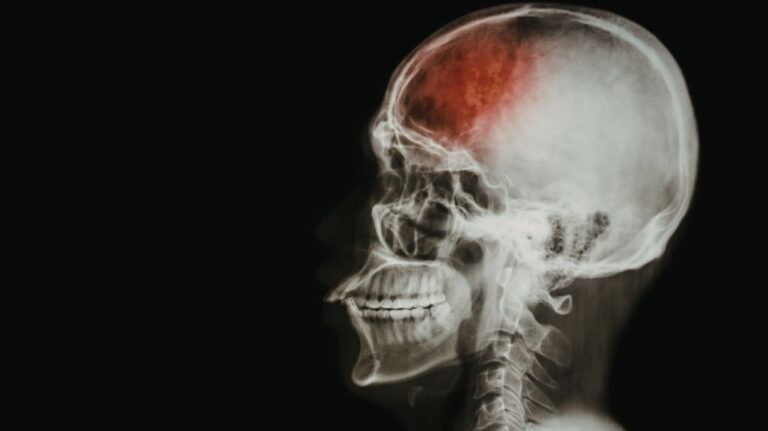
- Neurocognitive Disorders (Dementia and TBI): These disorders are most often connected to Traumatic Brain Injury and impact the ability to remember, problem solve, and more.
- Dissociative Amnesia or Identity Disorder: This mental health disorder affects how a veteran perceives memory and identity.
- Chronic Adjustment Disorder: This is a mental health condition that involves heightened emotional or behavioral reactions to trauma.
Additional Qualifying Conditions
These are additional mental health conditions or disorders that may not fit precisely into one of the categories listed above, and can include everything from eating disorders to substance abuse.
- Eating Disorders: Mental health conditions like Anorexia Nervosa or Bulimia Nervosa can have a negative impact on the day-to-day life of veterans.
- Somatic Symptom Disorders: These are physical symptoms of fatigue or pain that are caused by mental stress.
- Substance Abuse Disorder: This disorder is not a primary service connection, but can be rated as a secondary service-connected condition linked to PTSD and other disorders.
READ MORE: Who Is Eligible for VA Disability Benefits?
Are you a veteran who battles poor mental health? You may be asking — what mental health conditions qualify for VA disability? We have got answers for you at VA Benefits Attorneys.