Can Prescription Drugs Cause Side Effects and Secondary Conditions?

No matter what your service-connected injury, illness, or medical condition is — whether it is a long-term injury or a mental health condition like PTSD — there is a better than average chance that you were prescribed medication to combat the symptoms. Data indicates that an estimated 75% of veterans have been prescribed pain medication for service-connected disabilities and an estimated 68% of veterans are prescribed medication for mental health conditions.
Many veterans who have been prescribed medications experience long-term side effects and secondary health conditions that can impact a veteran’s disability rating. Veterans who have been prescribed medications may want to know — can prescription drugs cause side effects and secondary health conditions? VA Benefits Attorneys has the answers to your questions.
How To Claim Medication Side Effects as Secondary Disability Claims
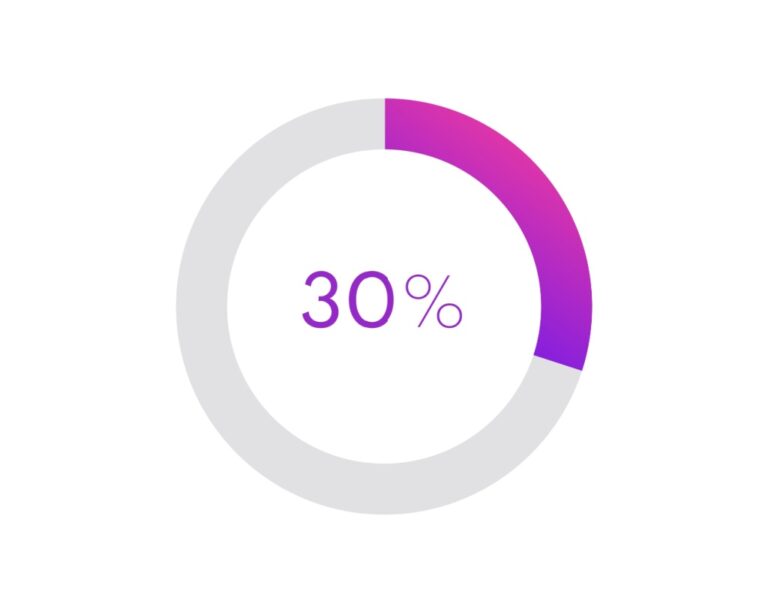
With the high percentage of veterans that have been prescribed medication for their medical conditions, only an estimated 23% of eligible veterans claim these side effects as secondary service-connected disabilities. That means many veterans who are qualified for secondary disabilities due to prescribed medications may not be receiving the compensation that they deserve or may have a disability rating that is too low. Federal regulation 38 CFR § 3.310 states that if a prescribed treatment for a service-connected medical condition causes or aggravates a new medical issue, it may be claimed as a secondary service-connected disability and may warrant a ratings increase — and VA Benefits Attorneys can help ensure you receive the compensation you have earned.
4 Requirements to Claim Medication Side Effects as a Secondary Disability
Like any disability claim, veterans must meet specific criteria to be able to file a successful secondary claim for the side effects of prescribed medications. Veterans who can document and provide medical evidence that their current medical condition was caused by their prescribed medication will be eligible to receive additional compensation for a secondary claim.

Here are the criteria that veterans must meet to file a secondary disability claim for medication side effects:
- Established Primary Service-Connected Condition: For a veteran to be eligible for a secondary disability claim based on medication side effects, they must first have a primary service-connected disability.
- Active Medication Prescription: To be eligible for a secondary disability claim, the veteran must have an active prescription for medication for their established disability — either from a personal physician or from the U.S. Department of Veterans Affairs.
- New or Aggravated Medical Condition: The veteran must have a diagnosed secondary medical condition that is the result of medication or was aggravated by the prescribed medication.
- Medical Nexus Letter: In addition to this documentation, veterans must have a medical nexus letter from a qualified physician that states that the new or aggravated condition is at least as likely as not to have been caused by the medication.
Common Examples of Secondary Claims Caused by Medication
Whether veterans are taking over-the-counter medications for their service-connected disability or prescribed opioids, the side effects can have a long-term impact on the veterans who are taking them. Here are a few common examples of medications prescribed to veterans and the secondary medical conditions that they can cause.
- High-Dose NSAIDs – Ibuprofen, Motrin, and Naproxen
- Side Effects: Gastroesophageal Reflux Disease (GERD), Gastritis, Peptic Ulcer Disease, Chronic Kidney Disease, and Secondary Hypertension.
- Antidepressants / SSRIs & SNRIs – Zoloft, Prozac and Cymbalta
- Side Effects: Erectile Dysfunction (SMC-K), Female Sexual Arousal Disorder, Obstructive Sleep Apnea with intermediate weight gain, and Restless Leg Syndrome.
- Atypical Antipsychotics and Mood Stabilizers – Seroquel, Zyprexa, Risperidone, and Lithium
- Side Effects: Type 2 Diabetes Mellitus, Obstructive Sleep Apnea with obesity, and Tardive Dyskinesia / Involuntary Tremors, Non-Alcoholic Fatty Liver Disease (NAFLD).
- Opioid Analgesics – Oxycodone, Hydrocodone, Morphine, and Tramadol
- Side Effects: Opioid-Induced Constipation (OIC), Irritable Bowel Syndrome (IBS), Central Sleep Apnea, Secondary Hypogonadism (Low Testosterone), and Secondary Major Depressive Disorder.
- Oral Corticosteroids – Prednisone, Dexamethasone, and Methylprednisolone
- Side Effects: Osteopenia or Osteoporosis with secondary fracture risks, Steroid-Induced Diabetes, Secondary Hypertension, Cataracts, and Glaucoma.
- Cardiovascular & Blood Pressure Medications – Beta-Blockers and ACE Inhibitors
- Side Effects: Erectile Dysfunction (SMC-K), Chronic Dizziness or Vertigo, and Secondary Gout.
- Anticonvulsants & Neuropathy Medications – Gabapentin, Lyrica, and Topamax
- Side Effects: Secondary Cognitive Impairment or Depression, Peripheral Edema, Obstructive Sleep Apnea with weight gain and muscle relaxation.
READ MORE: Can Veterans Get Disability for Substance Abuse?
Have you been prescribed medication for your service-connected disability? Have you experienced serious side effects and secondary medical conditions? You may be qualified to file a secondary disability claim, and VA Benefits Attorneys can help answer your questions about how prescription drugs can cause side effects and lead to increased disability ratings.