
How Does the VA Rate Traumatic Brain Injuries (TBI)?
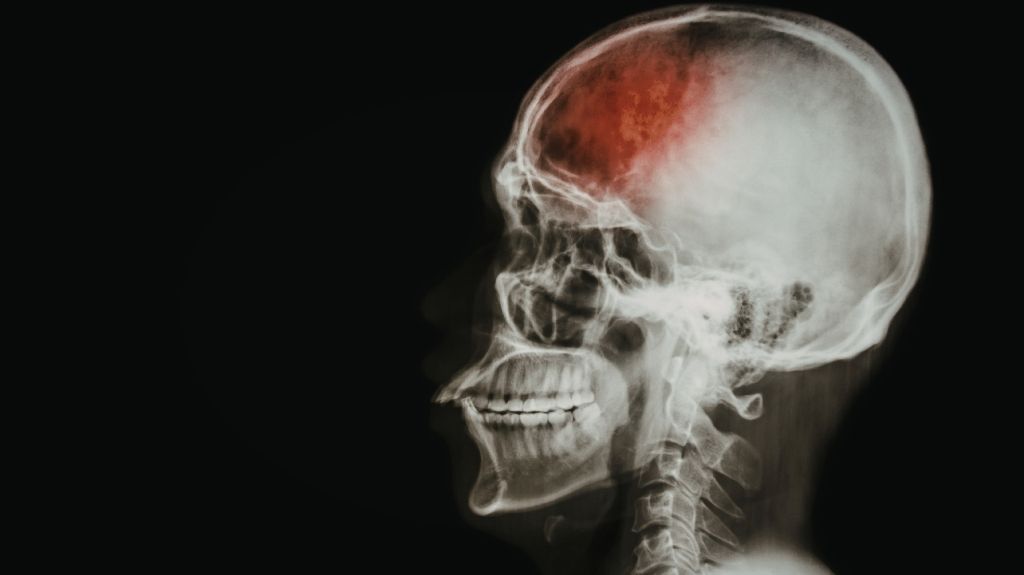
Traumatic Brain Injuries (TBIs) are head injuries that involve a short- or long-term disruption of brain function that is caused by an external force. These injuries are not uncommon among military veterans with more than 108,000 veterans claiming disability for traumatic brain injury and the related symptoms that impact day-to-day life. TBIs can be caused by a slip, fall, vehicle accident, a blow to the head, explosions, and much more that can be connected to military service. Veterans who battle symptoms tied to a service-connected head injury want to know — how does the VA rate traumatic brain injuries?
What Are VA Disability Ratings for TBIs?
The U.S. Department of Veterans Affairs (VA) rates TBIs based on persistent and long-term symptoms that can be tied to your head injury. This method rates traumatic brain injuries based on residual symptoms instead of based on the initial severity of the injury. Traumatic brain injuries can be assigned a VA disability rating of — 0%, 10%, 40%, 70%, or 100% — based on the impact of symptoms on your day-to-day life.
Veterans who battle a service-connected TBI will be evaluated by a medical professional based on their functional capabilities across physical, cognitive, and behavioral categories when they have a Compensation and Pension (C&P) Exam. Here is a better look at the veteran physical, cognitive, and behavioral facets that will be evaluated when you file a VA disability claim for a TBI:
- Memory, Attention, Concentration, and Executive Functions
- Social Interaction
- Orientation — Your awareness of time, place, and people.
- Judgment — Your ability to make basic and reasonable decisions.
- Visual-Spatial Orientation — Your spatial awareness.
- Motor Activity — Your movement and coordination.
- Neurobehavioral Effects — Your mood swings, aggression, or lack of impulse control.
- Subjective Symptoms — Your headaches, dizziness, and other physical symptoms.
- Communication — Your ability to speak or write.
- Consciousness

How Are TBI Impairment Levels Graded and Rated?
How a veteran performs when tested in each of the impairment categories listed above will have a direct correlation to their disability rating. Each of these different facets will be scored based on severity from 0 – No Impairment and 3 – Severe Impairment to Total Impairment. When evaluating TBIs for a disability rating, the Department of Veterans Affairs will provide veterans with a rating based on the highest grade in any facet on the list.
- 0 – No Impairment and 0% Disability Rating: The veteran is able to function normally across all facets, is able to work and socialize as expected, and requires no treatment.
- 1 – Mild Impairment and 10% Disability Rating: The veteran has mild and occasional symptoms that can be managed with treatment or medication, and the veteran is able to maintain employment.
- 2 – Moderate Impairment and 40% Disability Rating: This rating involves moderate symptoms that impact the day-to-day life of a veteran and cause disruptions to social relationships and employment.
- 3 – Severe Impairment and 70% Disability Rating: Veterans that score a three on any facet experience severe and significant symptoms that are tied to an inability to maintain employment with cognitive and physical injury aspects.
- Total Impairment and 100% Disability Rating: Veterans that receive a Total Impairment grade are unable to perform normal, daily tasks and require constant supervision due to TBI symptoms.
READ MORE: What Mental Health Conditions Qualify for VA Disability?
Have you been diagnosed with a service-connected TBI? Do you battle TBI symptoms each and every day? You may have questions about how the VA rates traumatic brain injuries, and we hope that this overview created by VA Benefits Attorneys has answered them.
Contact VA Benefits Attorneys today for a FREE case review!