Is Military Sexual Trauma (MST) a VA Disability?
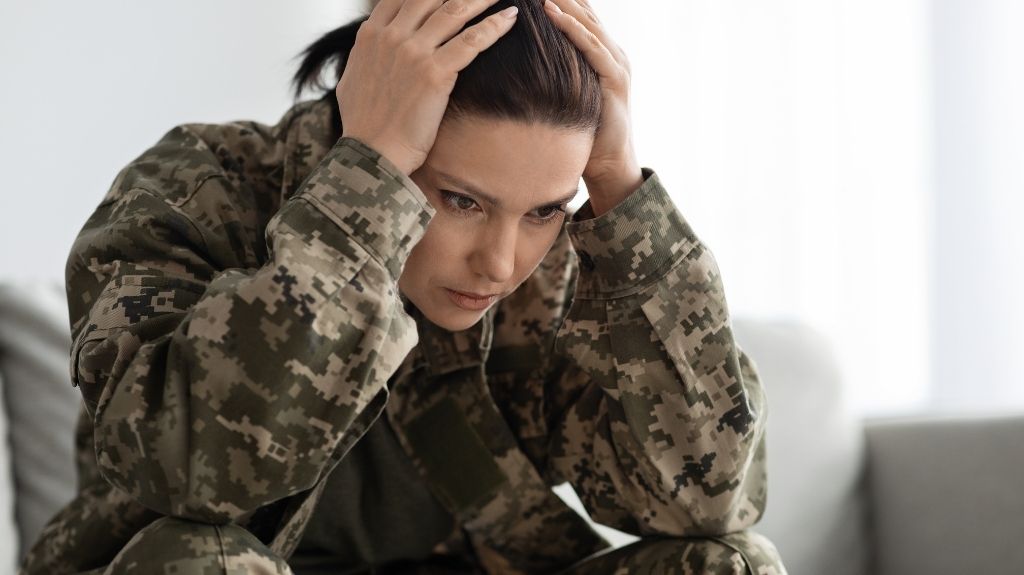
Veterans may not realize it — but an estimated 20% of female veterans and 2% of male veterans have experienced a form of sexual assault. Military Sexual Assault (MST) is a term used by the U.S. Department of Veterans Affairs (VA) to refer to sexual assault or harassment that occurred during a veteran’s military service. Many veterans who have experienced military sexual trauma want to know — is Military Sexual Trauma a VA disability?
What Military Sexual Trauma Medical Conditions Qualify for Disability Compensation?
No. Military Sexual Trauma in and of itself does not qualify for VA disability — but there are related medical conditions that do qualify a veteran for disability compensation. The U.S. Department of Veterans Affairs does not rate Military Sexual Trauma as its own disability, it provides disability ratings based on the physical and psychological effects and conditions of that sexual trauma.
Here is a better look at a few of the most common medical conditions and disabilities linked to Military Sexual Trauma:
- Posttraumatic Stress Disorder (PTSD): Mental health conditions like PTSD are a common condition related to any trauma — including Military Sexual Trauma.
- Depression: An estimated 30% – 70% of sexual assault victims experience varying degrees of depression.
- Anxiety: Sexual assault and trauma can leave a lasting impact on survivors, and an estimated 73% – 91% of survivors battle anxiety symptoms.
- Physical Conditions: The impact of sexual trauma goes beyond the mental health conditions and can translate to physical symptoms and conditions that include migraines, chronic pain, or reproductive disorders.
Do Veterans Need to Report a Sexual Assault Claim?

Many veterans believe that Military Sexual Trauma must involve a reported claim of sexual assault — but an incident does not need to be reported and there does not have to be criminal charges. The U.S. Department of Veterans Affairs understands that many victims of sexual assault do not report the incident, and has established lower evidence standards for Military Sexual Trauma claims based on specific markers that illustrate a change in behavior or circumstances after the trauma.
Here is a better look at common markers for Military Sexual Trauma:
- Sudden drop in performance or discipline.
- Personal relationship issues, like divorce.
- Increased substance abuse of drugs or alcohol.
- Sudden social withdrawal.
- Unexplained and rapid weight loss or weight gain.
- Sudden financial changes.
- Personal journals, statements from friends, or buddy statements.
How To File a Military Sexual Trauma Claim
Veterans who have medical conditions related to Military Sexual Trauma may not know how to file a disability claim with the U.S. Department of Veterans Affairs. VA Benefits Attorneys can help.
- Submit a VA Form 21-526EZ for your initial disability claim via the VA.gov Disability Compensation Portal.
- Write a personal statement and fill out VA Form 21-4138 that details your Military Sexual Trauma event, including when and where it happened, who the perpetrator was (if known), and how the event has affected you.
- Contact an MST Outreach Coordinator at your local VA regional office, and they will guide you through the claims process.
- You may be required to take a Compensation and Pension (C&P) Exam and can request a male or female examiner.
READ MORE: A VA Disability Benefits Guide for Female Veterans
Many veterans want to know — is Military Sexual Trauma a VA disability? The short answer is no, but this overview created by VA Benefits Attorneys highlights how veterans may still be able to receive compensation due to medical conditions tied to sexual trauma.
Contact VA Benefits Attorneys today to get a FREE case review!